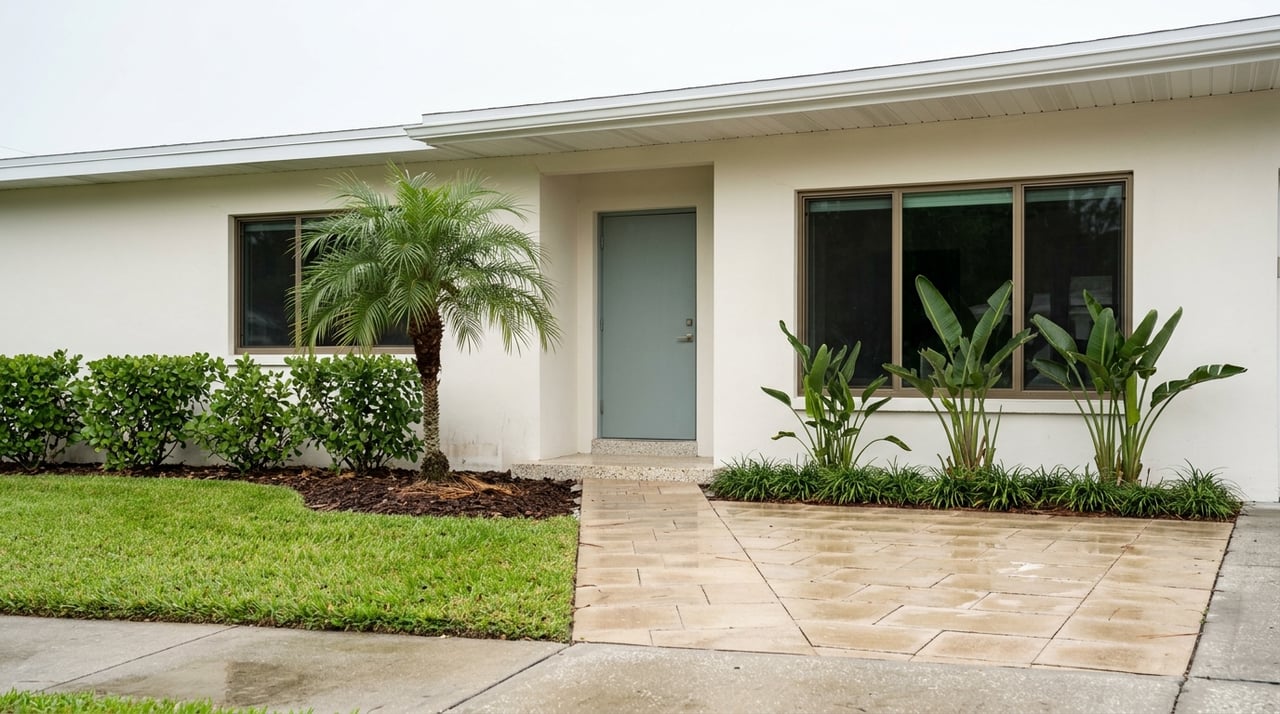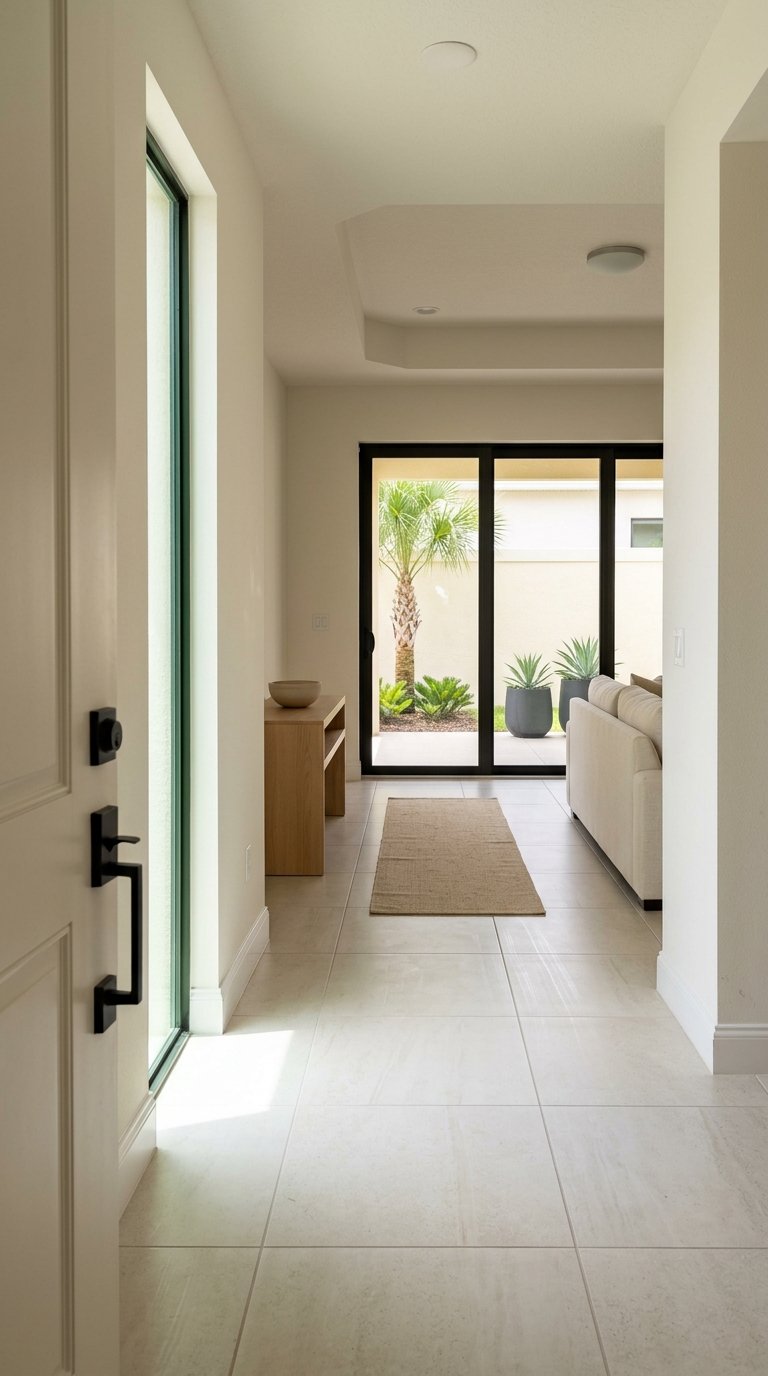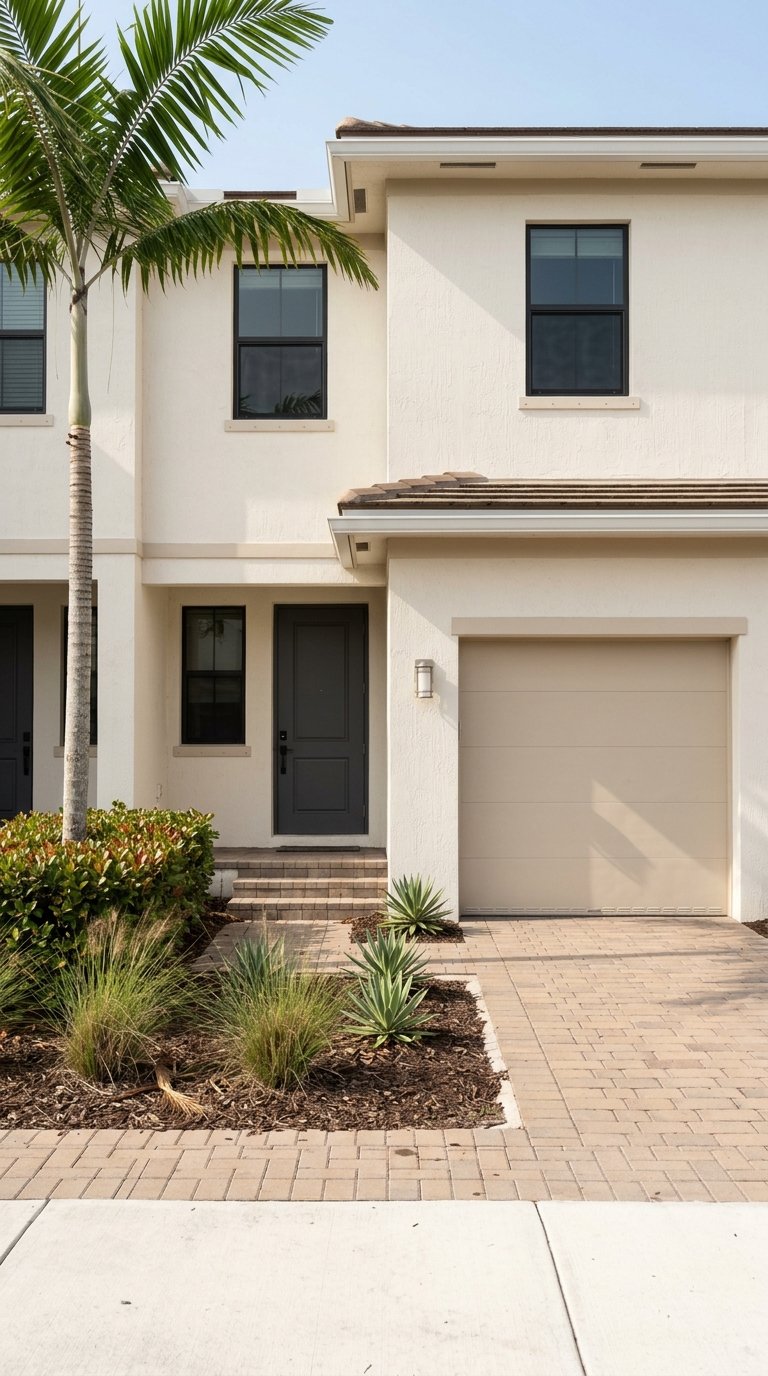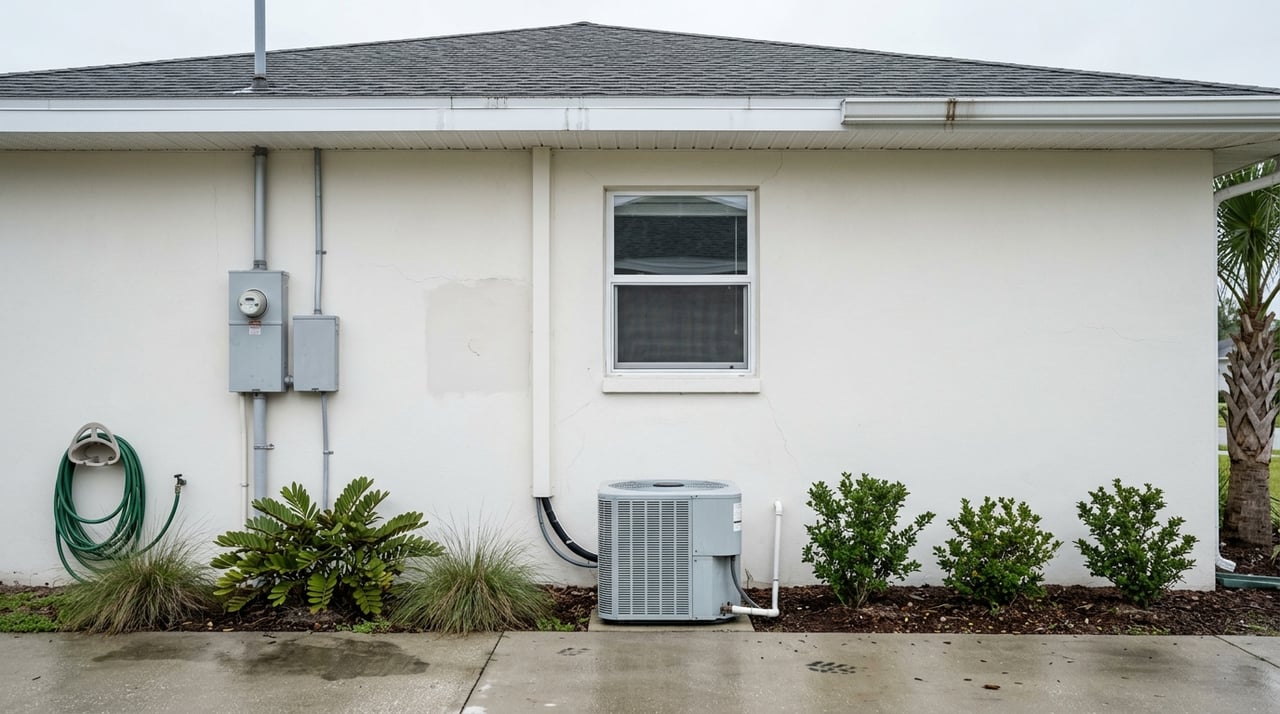
That charming St. Petersburg fixer-upper can look like a great deal until one hidden issue changes the math. If you are trying to spot the difference between a cosmetic project and a money pit, a fast first-pass framework can save you time, stress, and wasted inspection dollars. The goal is not to diagnose everything on day one, but to quickly sort properties into the right risk bucket before you go deeper. Let’s dive in.
Start With the Right Goal
When you first walk a fixer-upper, you are not trying to create a full repair scope. You are trying to answer one practical question: does this home look like a cosmetic update, a system-level repair project, or a structural or association risk?
That matters in St. Petersburg because a standard home inspection in Florida is a limited visual exam of readily accessible areas and systems. If a property already shows signs of bigger issues, your quick-check should tell you whether to move forward carefully, verify permits, or bring in specialists early.
Use a Three-Bucket Framework
A simple triage system keeps you from overthinking the pretty stuff and missing the expensive stuff.
Cosmetic-Only Properties
These are homes where the main issues appear to be dated finishes or minor wear. Think old flooring, tired cabinets, outdated paint colors, or fixtures that need replacing.
These homes may still need inspections, but the first walk-through does not immediately suggest major hidden risk. If the layout feels original and the big systems look reasonably maintained, the next step is usually a standard inspection and normal due diligence.
System-Level Repair Properties
These homes show warning signs tied to one or more major systems. That can include an older roof, visible plumbing problems, HVAC concerns, electrical updates that look pieced together, or drainage issues outside.
This bucket does not always mean “walk away.” It means the deal likely needs a more careful budget, contractor input, and stronger review of repair priorities before you assume the numbers work.
Structural or Association Risk Properties
This is the category that deserves the most caution. If you see signs of possible wall removals, odd room transitions, sagging, major cracking, visible water intrusion, or condo building issues tied to inspections or reserves, the property moves beyond a simple fixer.
For condos and co-ops, building-level obligations can matter just as much as what you see inside the unit. In many cases, the association can be the real story.
Check the Layout for Clues
One of the fastest ways to spot hidden risk is to study how the home flows. A straightforward floor plan is usually easier to evaluate than one with awkward openings, patched ceilings, strange room connections, or obvious additions.
Those details can suggest prior structural changes or unverified remodeling. In St. Petersburg, permits are generally required for construction, enlargement, alteration, repair, demolition, and regulated electrical, gas, mechanical, or plumbing work, so visible modifications should trigger a permit-history review.
Questions to Ask Yourself
- Does the layout feel original or heavily altered?
- Do any walls, beams, or openings look patched or unusual?
- Is there a converted garage, enclosed porch, or added room?
- Do ceiling or floor transitions suggest past work that needs verification?
If the answer to any of those is yes, slow down and confirm whether the work matches the permit trail.
Screen the Big-Ticket Systems Fast
In a first walk-through, major systems deserve more attention than finishes. In Florida, the core home-inspection categories include structure, electrical, HVAC, roof, plumbing, interior, exterior, and site conditions, which makes those the smartest places to focus your early attention.
Roof
Look for visible patching, staining, missing or worn materials, or signs that water may have entered the home. In a fixer-upper, roof issues can quickly move a project from manageable to expensive.
Plumbing
Watch for water stains, signs of past leaks, soft areas, and any obvious signs that plumbing work may have been updated in stages. Water problems often connect to bigger concerns behind walls or under floors.
Electrical
If the electrical system looks piecemeal or visibly altered, do not assume a standard walk-through tells the whole story. A home inspector can flag concerns, but deeper diagnosis belongs with a licensed electrician when warning signs appear.
HVAC
An older or poorly maintained system can affect both comfort and budget. Even if the unit still runs, visible age and wear can signal a near-term replacement cost.
Exterior and Drainage
Exterior condition is not just about curb appeal in Pinellas County. Failed sealants, soft materials, visible moisture damage, and drainage problems deserve serious attention because they can point to water intrusion and ongoing maintenance risk.
Treat Flood Exposure as a Core Check
In Pinellas County, flood risk should always be part of your screening process. The county notes that everyone in the county is in a flood zone, and that flood zones, storm-surge areas, and evacuation zones are different maps that show different kinds of risk.
That is especially important with fixer-uppers. If you are already budgeting for repairs, possible flood insurance requirements and water-related exposure can affect affordability and the project timeline.
What to Note Early
- Whether the property appears to have drainage issues
- Whether there are signs of past water intrusion
- Whether the location may fall in a high-risk A or V flood zone
- Whether a federally backed mortgage could require flood insurance in that zone
This does not mean every fixer in St. Petersburg is a bad idea. It means flood exposure belongs in your first-pass math, not as an afterthought.
Compare Visible Work to Permit History
A dated house with old finishes is one thing. A house with visible additions, converted spaces, or replaced systems is another.
St. Petersburg says permits are generally required for construction, enlargement, alteration, repair, demolition, and installation, replacement, or alteration of regulated building systems. So if you see an enclosed porch, garage conversion, major system update, or obvious remodel, it is smart to compare the visible work with the city permit history.
If the home looks modified but the record does not line up, that is a reason to pause and investigate. For a buyer, unverified work can affect safety, cost, financing, and resale confidence.
For Condos, the Building Can Be the Deal
With condo fixer-uppers, buyers sometimes focus too much on the unit and not enough on the association. In St. Petersburg, that can be a costly mistake.
Florida law now makes certain structural inspection reports and reserve studies part of the association’s official records, and these records must be made available to potential purchasers. That means your quick-check should include both the interior condition of the unit and the financial and structural condition of the building.
Condo Documents to Request
- Declaration, articles, bylaws, and rules
- Annual financial statement and budget
- Inspector-prepared summary of any milestone inspection
- Most recent Structural Integrity Reserve Study, or a statement that it has not been completed
- Turnover inspection report, if applicable
- The required FAQ document
Why This Matters
For residential condo and co-op buildings that are three habitable stories or more, milestone inspections apply based on building age and timing under Florida law. A milestone inspection focuses on structural elements, while a Structural Integrity Reserve Study is a visual budgeting study tied to future maintenance and replacement funding.
If the building has deferred maintenance, underfunded reserves, or upcoming repair obligations, your “cheap” unit may come with expensive shared costs.
HOA Costs Can Change the Numbers Too
Even when a property is not a condo, HOA records still matter. Florida’s HOA statute requires financial reports to warn when reserves are not fully funded, and those shortfalls may lead to special assessments.
That makes association due diligence part of any smart fixer-upper evaluation. A home with a manageable repair list can still become a bad deal if the community has weak reserves, large upcoming projects, or signs of future cost spikes.
Questions to Ask the Association
- Are there current or planned special assessments?
- Are reserve accounts being funded?
- Are major components nearing replacement?
- Have there been recent major repairs or ongoing disputes that could affect costs?
These are practical questions that help you judge the real monthly and long-term cost of ownership.
Know When to Bring In Specialists
A quick-check framework should help you decide when the problem is no longer general. That is where many buyers save themselves from making assumptions based on a basic showing.
Bring in a Structural Engineer When
- You see significant cracking
- Floors or rooflines appear to sag
- Settlement seems possible
- The layout suggests a wall may have been removed or altered
Bring in Trade Specialists When
- Roof concerns appear isolated to roofing
- Electrical issues need deeper diagnosis
- Plumbing signs point to leaks or replacement needs
- HVAC performance or age suggests system-specific review
Bring in a WDO Inspector When
If you see signs of wood damage, a separate wood-destroying organism inspection is worth considering. In Florida, WDO inspections are different from home inspections, and termite evidence such as mud tubes can point to a much bigger repair issue.
Bring in a Mold Assessor When
If visible mold growth appears tied to water intrusion and seems substantial, Florida law becomes especially relevant once mold growth exceeds 10 square feet. At that point, a licensed mold assessor is the right specialist.
A Simple Walk-Through Checklist
If you want a fast way to screen a St. Petersburg fixer-upper, use this list during your first visit:
- Does the layout look original and consistent?
- Do any additions or conversions need permit verification?
- What is the visible condition of the roof, plumbing, electrical, HVAC, exterior, and drainage?
- Are there signs of water intrusion or moisture damage?
- Does flood exposure need a closer look?
- If it is a condo or HOA property, what do the records say about reserves, inspections, and assessments?
- Do any issues clearly call for a structural engineer or trade specialist?
If several of those questions raise concerns, it may still be a viable property. You just need better diligence before you commit time, money, and emotion.
The Real Goal: Find the Right Kind of Project
Not every fixer-upper is a bad deal. In fact, some of the best opportunities in St. Petersburg are properties where the issues are visible, understandable, and priced appropriately.
The key is knowing what you are actually buying. A cosmetic project is very different from a system-heavy rehab, and both are very different from a condo with hidden association exposure or a house with possible structural changes.
A strong quick-check helps you spend your energy on the properties that deserve a closer look. It also helps you avoid the deals that look exciting online but become risky once the real Florida-specific details come into focus.
If you are looking at fixer-uppers in St. Petersburg and want a calm, detail-first second opinion before you move forward, Ryan Chamberlain can help you screen the opportunity, ask better questions, and take the next step with more confidence.
FAQs
What should you check first in a St. Petersburg fixer-upper?
- Start with the layout, visible condition of major systems, exterior drainage, signs of water intrusion, and whether the home looks like a cosmetic project or a bigger structural or system-level risk.
Why does permit history matter for St. Petersburg fixer-uppers?
- Permit history helps you verify whether visible additions, alterations, conversions, or system replacements were properly documented, which can affect safety, financing, and future resale.
How does flood risk affect a fixer-upper in Pinellas County?
- Pinellas County says everyone in the county is in a flood zone, and high-risk areas can affect insurance requirements, affordability, and how you evaluate water-related repair risk.
What condo documents should you review before buying a St. Petersburg fixer-upper?
- Ask for the governing documents, annual financial statement and budget, any milestone inspection summary, the latest Structural Integrity Reserve Study or notice that it has not been completed, and the required FAQ document.
When should you call a structural engineer for a fixer-upper in St. Petersburg?
- Bring in a structural engineer if you see significant cracking, sagging, possible settlement, or signs that walls or load paths may have been altered.
What is the difference between a home inspection and a WDO inspection in Florida?
- A home inspection is a limited visual exam of readily accessible components, while a WDO inspection specifically looks for visible and accessible wood-destroying organisms and related damage.
How can HOA reserves affect a fixer-upper purchase in Florida?
- If reserves are underfunded, the association may need special assessments, which can increase your true ownership cost even if the unit or home itself seems affordable.