Trying to choose between a condo and a house in Dunedin for your first home? You are not just picking a property type. You are choosing a monthly cost structure, a maintenance lifestyle, and a level of control over your home. If you want a clear way to think through that decision in Dunedin, this guide will help you compare the tradeoffs and focus on what matters most. Let’s dive in.
Why this choice matters in Dunedin
Dunedin gives first-time buyers a very specific mix of options. It is a smaller Pinellas County city with 21,305 housing units, a 71.1% owner-occupied rate, a median owner-occupied home value of $396,000, and median monthly owner costs with a mortgage of $1,922.
That matters because your first-home decision here is not only about price. In Dunedin, location and lifestyle often shape the condo-versus-house decision just as much as the purchase price. The city’s planning goals also point to a mix of walkable, mixed-use areas and more traditional residential pockets.
What buying a condo really means
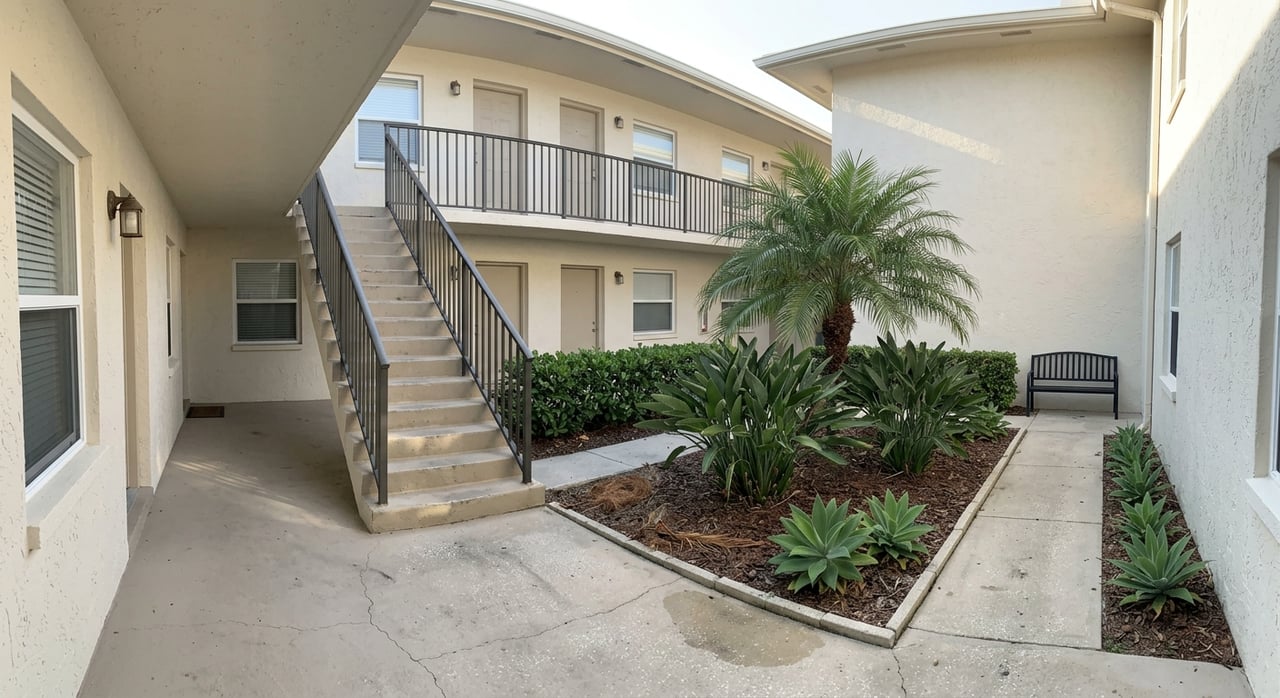
A condo can be a strong first-home option if you want lower day-to-day exterior maintenance and a more lock-and-leave lifestyle. In Dunedin, that can be especially appealing if you want to be closer to downtown or in an attached or mixed-use setting.
But in Florida, buying a condo means more than buying the unit itself. You are also buying into an association with rules, budgets, shared responsibilities, and building-level financial decisions that can affect your monthly cost and long-term risk.
Condo documents matter more than many buyers expect
Florida law gives resale condo buyers access to key documents. These include the declaration, articles, bylaws, rules, annual financial statement, budget, FAQs document, and, when applicable, the milestone inspection summary, turnover inspection report, and most recent structural integrity reserve study.
That paperwork is not just a formality. It helps you understand how the building is run, whether reserves appear strong, and whether there are known issues that could affect your ownership costs.
Monthly dues are only part of the picture
Many first-time buyers compare a condo payment to a house payment and stop there. That is too simple in Florida. With a condo, you need to look at mortgage payment, monthly dues, reserve funding, and the possibility of special assessments.
Florida law allows reserve funding through regular assessments, special assessments, lines of credit, or loans. For certain associations subject to structural integrity reserve study requirements, budgets adopted on or after December 31, 2024 cannot simply underfund required reserve items through a unit-owner vote.
The practical takeaway is simple: a condo with low dues is not automatically the cheaper choice. If reserves are weak or major building costs are coming, your true ownership cost may be higher than it first appears.
Condo insurance works differently
Insurance is another area where first-time buyers can get surprised. According to the Florida Chief Financial Officer’s consumer guidance, condo owners generally need an HO-6 policy, which primarily covers personal property and liability and includes at least $2,000 of loss-assessment coverage.
That is different from a house. You still need to understand what the association’s master policy covers and where your own responsibility begins. A condo purchase works best when you treat insurance as part of the decision early, not as a last-minute quote.
Older condo buildings need extra review
In Pinellas County, condo buildings that are three stories or higher may need milestone inspections once they reach 30 years of age and every 10 years after that. Structural integrity reserve study rules also apply to three-story-or-higher condominium buildings.
For you as a buyer, this can affect both monthly fees and future resale confidence. If you are comparing condo options in Dunedin, it is smart to ask whether the building has completed required inspections and what that means for reserves or upcoming costs.
What buying a house really means
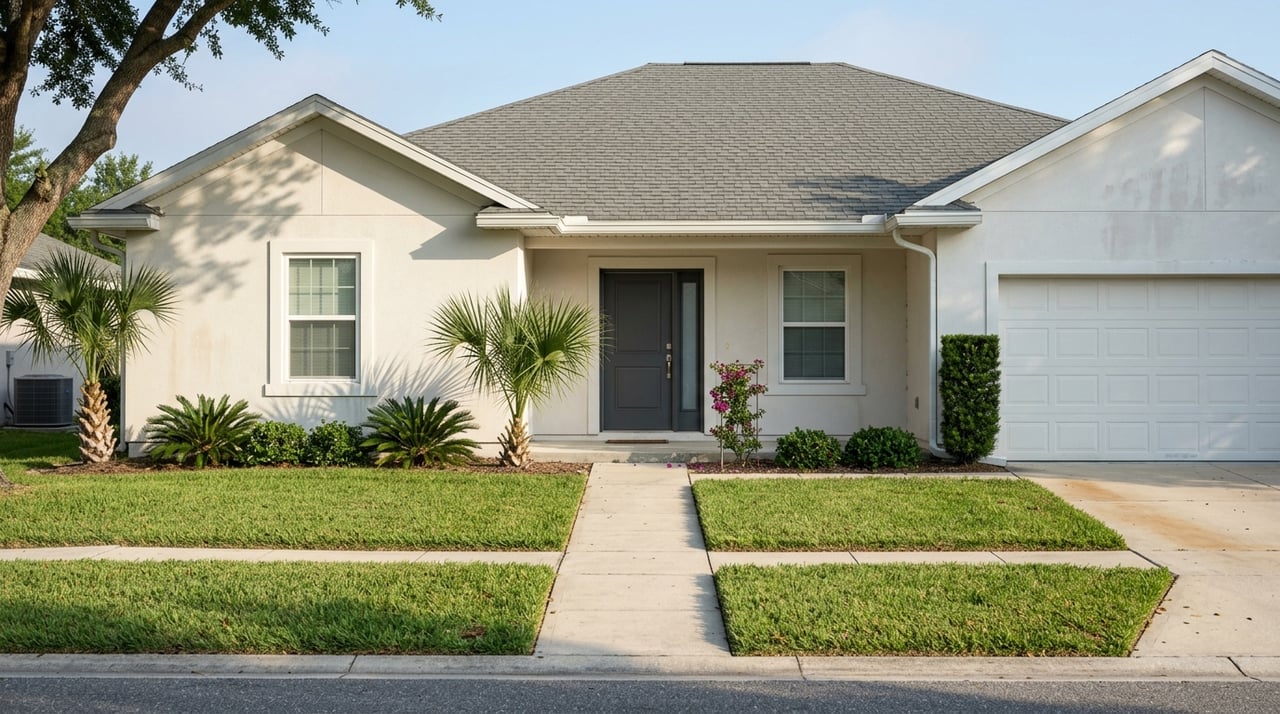
A single-family home often appeals to first-time buyers who want more control. You may have more freedom over the lot, more ability to make exterior changes, and more private outdoor space.
That extra control usually comes with extra responsibility. When you buy a house, more of the maintenance, repair planning, and storm-related upkeep sits directly on you rather than being shared across a building or association.
House insurance is broader, but not all-inclusive
For an owner-occupied single-family home, the standard Florida homeowners policy is typically an HO-3 policy. That usually covers the dwelling, other structures, personal property, and liability.
It is important to know what it does not cover. Standard homeowners insurance does not cover flood damage, so flood insurance is a separate question for a house. In a coastal city like Dunedin, that can change your monthly cost more than many first-time buyers expect.
A house does not always mean no rules
Some buyers assume a house means total freedom and no association oversight. That is not always true. If the home is inside an HOA, you still need to follow that association’s governing documents and rules.
Florida law also allows HOA associations to maintain official records and budgets, and to suspend certain use or voting rights for delinquencies more than 90 days past due. So when you compare a house to a condo, the real difference is often how much control you have and how much maintenance risk is directly yours.
How Dunedin location shapes the decision
In Dunedin, the condo-versus-house choice is often tied closely to where you want to live. That is why this is not just a property-type conversation. It is also a neighborhood pattern and lifestyle conversation.
Downtown Dunedin fits many condo buyers
The City of Dunedin says its downtown Community Redevelopment Agency area is focused on walkability, public-realm improvements, and mixed-use development. The city also says downtown growth aims to maintain small-town coastal character while supporting places where people can live, work, and recreate.
For a first-time buyer, that makes downtown and nearby areas a natural place to compare condo living. If your priority is being near shops, restaurants, and a more walkable environment, a condo may line up better with how you want to live day to day.
Residential corridors often fit house buyers
The city’s Southside Douglas Neighborhood Study describes that area as predominantly single-family residential, with some commercial activity and a few small multi-family residences. The Patricia Avenue Corridor Study also describes a mix of residential uses, retirement housing, neighborhood businesses, and commercial-residential activity.
The big-picture takeaway is that areas outside the downtown core may feel more like a traditional house-and-yard setting. If you want more outdoor space and a more detached-home experience, these types of residential corridors may deserve extra attention.
A simple first-time buyer decision framework
If you are stuck between a condo and a house, start with your lifestyle before you start with square footage. The right first home is not always the one with the biggest kitchen or lowest sticker price. It is the one that fits your budget, your maintenance comfort level, and your long-term plan.
A condo may fit you better if you:
- Want a lower-maintenance lifestyle
- Prefer a walkable location, especially near downtown
- Are comfortable reviewing association budgets and rules
- Can budget for dues, reserves, and possible assessments
- Like the idea of shared-building responsibilities instead of handling everything yourself
A house may fit you better if you:
- Want more control over the property
- Value a yard or more private outdoor space
- Prefer fewer shared-building obligations
- Are comfortable handling more maintenance directly
- Want more flexibility for long-term changes and customization
What to verify before making an offer
This is where a calm, detail-first approach can save you money and stress. Before you commit, make sure you are comparing the full ownership picture and not just the listing price.
If you are buying a condo
Ask for and review:
- Association budget
- Annual financial statements
- Rules and governing documents
- Reserve study
- Milestone inspection summary, if applicable
- Turnover report, if applicable
- Any recent or pending special assessments
These documents can tell you a lot about building finances, maintenance planning, and whether a low monthly fee is actually sustainable.
If you are buying a house
Verify:
- Whether the property is in an HOA
- What the HOA rules and fees are, if applicable
- Expected insurance costs
- Ongoing exterior and storm-related maintenance needs
- Flood exposure before you get too far into the process
A house can offer more freedom, but it also puts more of the upkeep burden directly on you.
For both condos and houses
Check flood exposure early. The City of Dunedin says it participates in FEMA’s Community Rating System, maintains a Class 5 rating, and says that can reduce flood premiums by 25%. The city also encourages buyers to check flood hazard information before buying.
That is an important step in Dunedin because flood exposure can materially affect the true monthly cost of either property type. It is much better to understand that upfront than to be surprised late in the deal.
Don’t forget affordability help
If budget is the main thing keeping you stuck, it may help to widen the conversation. The Housing Finance Authority of Pinellas County offers assistance for first-time homebuyers and runs a First-Time Homebuyer Program.
That does not automatically make one property type better than the other. But it can help you compare options more clearly by looking at the full payment picture, not just the mortgage amount.
The bottom line for first-time buyers in Dunedin
In Dunedin, a condo is often the better fit if you want a walkable, lower-maintenance lifestyle and you are comfortable with dues, reserves, and association rules. A house is often the better fit if you want more control, more outdoor space, and fewer shared-building obligations, even if that means more upkeep and insurance responsibility.
The smartest move is to compare the real monthly cost, the maintenance tradeoffs, and the location fit at the same time. If you want a detail-driven plan to sort through condos, houses, flood questions, and Florida-specific paperwork, Ryan Chamberlain can help you make a confident first-home decision in Dunedin.
FAQs
What should first-time buyers in Dunedin review before buying a condo?
- You should review the association budget, annual financials, rules, reserve study, milestone inspection summary if applicable, turnover report if applicable, and any recent or pending assessments.
How is condo insurance different from house insurance in Dunedin?
- Condo owners generally need an HO-6 policy that primarily covers personal property and liability, while owner-occupied single-family homes typically use an HO-3 homeowners policy that covers the dwelling and other structures in addition to personal property and liability.
Why does flood exposure matter when choosing a Dunedin condo or house?
- Flood exposure can change your monthly ownership cost for either property type, and the City of Dunedin advises buyers to check flood hazard information before buying.
Are houses in Dunedin always free from association rules?
- No. If a house is in an HOA, you still need to follow that association’s governing documents, rules, budgets, and fee requirements.
Which areas in Dunedin are more likely to suit condo buyers?
- Downtown Dunedin and nearby areas are often the most natural fit for condo comparisons because the city’s planning focus there includes walkability and mixed-use development.