Wondering whether you should pour money into updates before you sell your Tampa home? You are not alone, and the answer is usually less about doing a big renovation and more about making smart, targeted choices. In today’s Tampa-area market, the right prep can help your home show better, avoid deal issues, and attract stronger offers without overspending. Let’s break down how to decide what is worth doing before you list.
Tampa Sellers Need a Selective Strategy
In Hillsborough County, Realtor.com reports a median listing price of $420,000 and a median 63 days on market. Tampa’s city-level median listing price is reported at $450,000, also with 63 days on market. Florida Realtors also shows the Tampa-St. Petersburg-Clearwater MSA with 705 closed single-family sales in April 2026 and a median sale price of $304,990, down 4.1% year over year.
That mix points to a market where condition still matters, but sellers cannot assume every renovation will come back at closing. Hillsborough County had 3.6 months of single-family supply in January 2026, which is below Florida Realtors’ 5.5-month balanced-market benchmark. In practical terms, buyers still notice presentation, but broad, expensive remodeling is harder to justify unless your home has a clear problem or your local comparable listings support it.
Condition Can Change Your Buyer Pool
Recent Tampa sales help show how condition affects marketing and pricing strategy. A remodeled home on W Knollwood Street sold for $440,000 after being presented with a new roof, updated flooring, fresh paint, a new kitchen, and updated bathrooms. Another updated pool home on Beeler Drive sold for $527,500 and highlighted a newer roof, upgraded windows, and a new air-conditioning system.
By contrast, a home on W Ellis Drive sold for $320,000 in original condition after being marketed as a former rental property. These are not direct comparables, but they support a common-sense takeaway: move-in-ready homes tend to appeal to a broader pool of buyers, while original-condition homes often need a different price point and marketing approach.
Most Sellers Do Not Do Major Renovations
If you are trying to decide whether a full remodel is standard before selling, the answer is no. According to the 2025 Profile of Home Buyers and Sellers, 53% of sellers made minor renovations or fixed broken items before selling, 35% sold as-is, and only 12% completed major renovations.
That tells you something important. Most sellers are not gutting kitchens or rebuilding bathrooms before listing. They are focusing on repairs, cleanup, and lighter updates that improve how the home looks and functions.
What Usually Makes Sense Before Listing
For most Tampa sellers, the best pre-listing work falls into three categories: first impressions, interior refreshes, and functional fixes. These are the improvements most likely to help your home feel cared for without turning your sale prep into a long, expensive project.
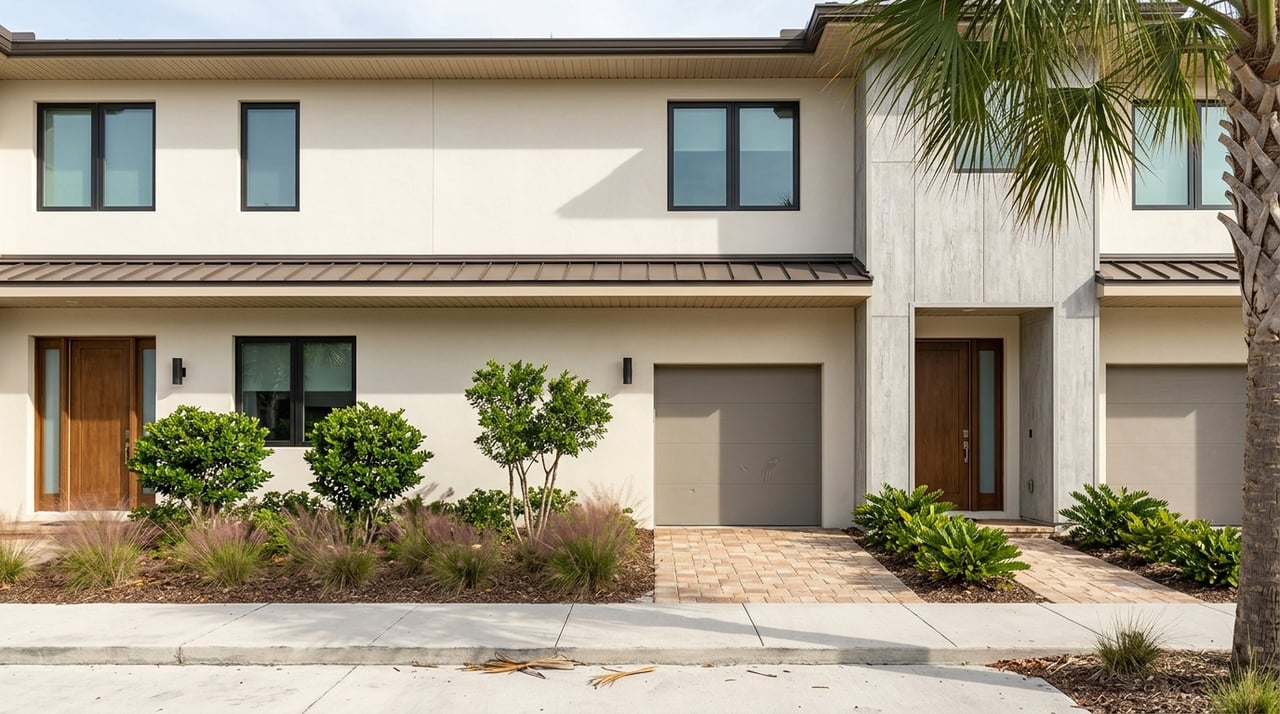
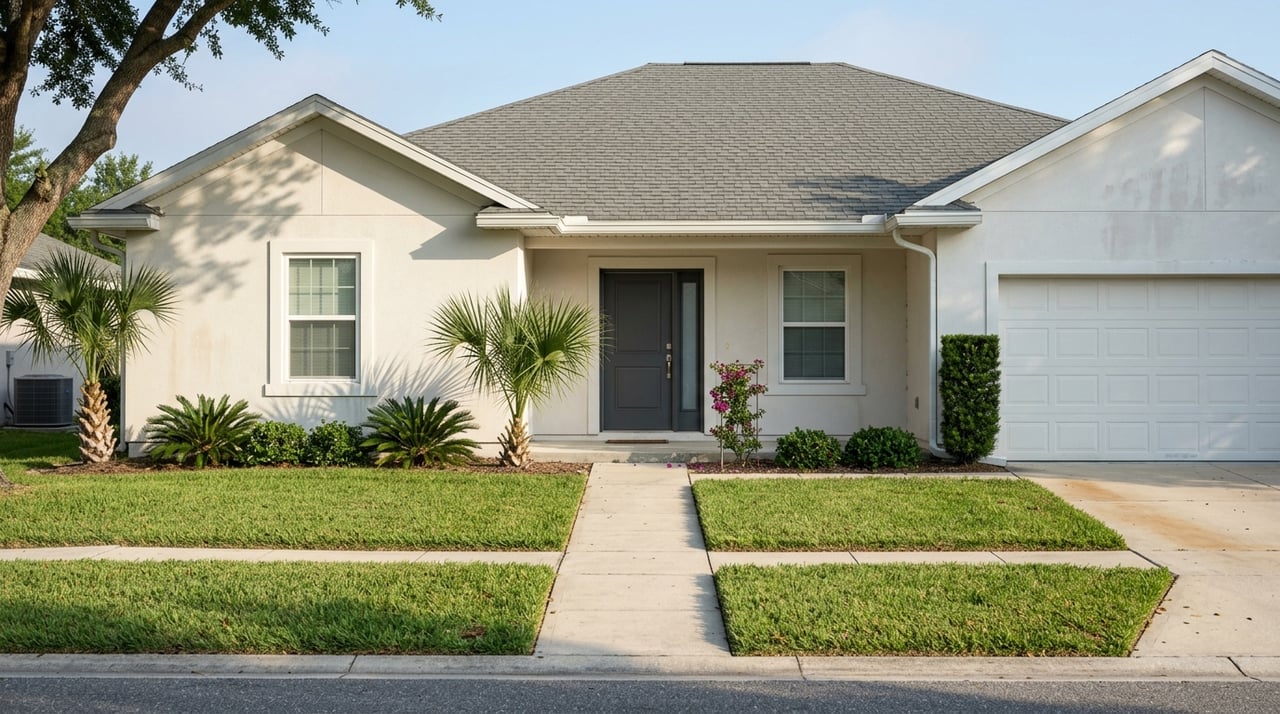
Focus on Curb Appeal First
Your exterior sets the tone before a buyer walks inside. NAR reports that 92% of real estate professionals suggest sellers improve curb appeal before listing, and 97% say curb appeal matters when attracting a buyer.
Good curb appeal projects often include:
- Pressure washing
- Exterior paint touch-ups
- Landscaping cleanup
- Front-door replacement
- Garage door replacement
- Siding or trim repair
These updates are visible, relatively straightforward, and often more cost-effective than major interior projects.
Refresh the Interior Without Overbuilding
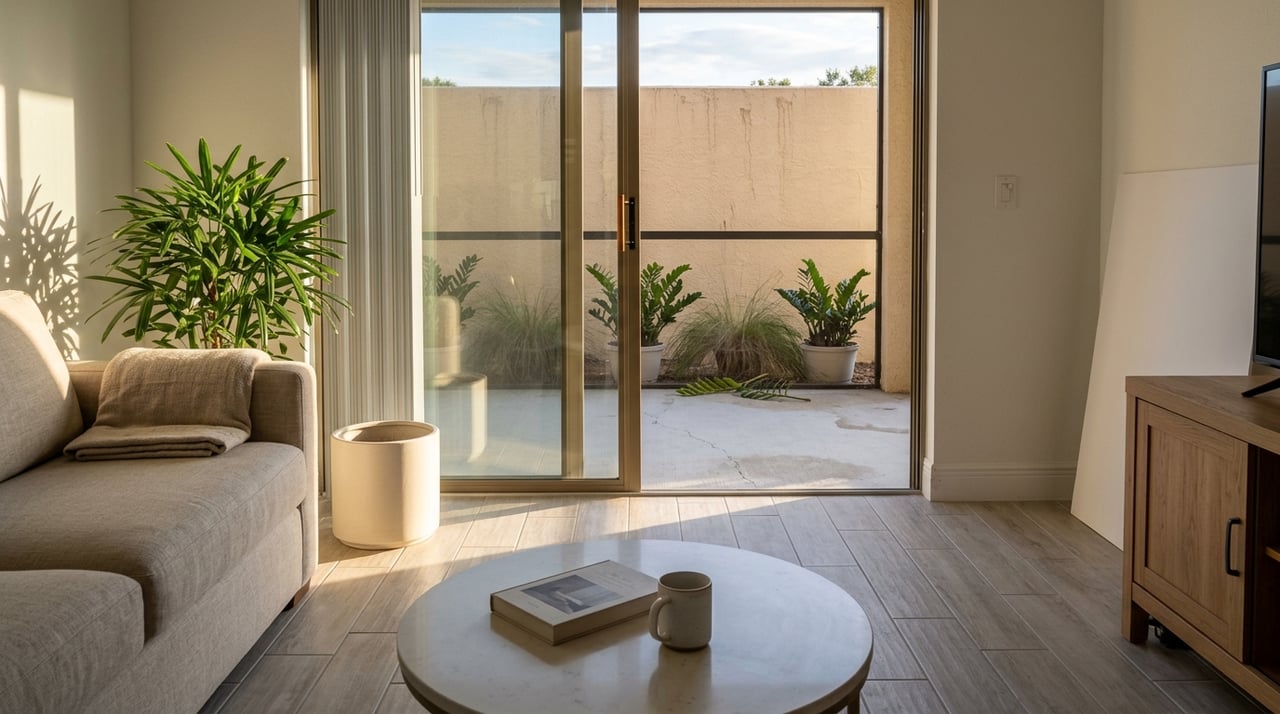
Inside the home, buyers respond well to clean, bright, simple updates. A full-home paint refresh, updated lighting, new hardware, grout and caulk repairs, and modest kitchen or bath improvements can make a home feel more current without forcing you into a full remodel.
The key is not to make the home look like someone else’s dream house. The goal is to make it feel clean, functional, and easy for buyers to picture themselves living there.
Fix the Issues That Can Kill a Deal
Some repairs matter because they affect more than appearance. Roof issues, HVAC problems, plumbing defects, electrical concerns, and water intrusion can create inspection problems, insurance issues, or financing delays.
In Florida, these items can carry extra weight. A dated kitchen may not stop a sale, but an aging roof or a failing air-conditioning system might complicate the buyer’s ability to insure the property and move forward.
Florida-Specific Issues Matter in Tampa
This is where Tampa sellers need to think beyond basic return on investment. In Florida, some home systems can affect whether a transaction stays together at all.
Roof and HVAC Matter More Than You Think
The Florida Department of Financial Services says insurers may require a 4-point inspection on older homes. That inspection looks at the roof, plumbing, electrical wiring, and heating and air systems.
Florida guidance also notes that roof life expectancy is a common underwriting issue. For roofs that are 15 years or older, a homeowner may be able to use an authorized roof inspection, and if the roof has at least five years of useful life remaining, age alone should not be the reason for denial. Citizens also requires 4-point inspections for certain properties more than 30 years old and asks for roof age, remaining useful life, and HVAC documentation.
For you as a seller, that means an old roof or weak AC system is not just a cosmetic concern. It may affect buyer confidence, insurance options, and the speed of the transaction.
Permit Rules Can Affect Your Timeline
If you are thinking about doing work yourself before listing, timing matters. Hillsborough County says most construction requires permits, although cosmetic items like painting, floor coverings, cabinet work, shelving, tile, and wallpapering are generally exempt.
Kitchen and bathroom remodels may require permits if plumbing work is involved. The City of Tampa also says work that requires a permit must be inspected and receive final approval.
There is one rule that catches many sellers off guard. If a homeowner pulls an owner-builder permit and completes the work on a primary residence, Hillsborough County says the property cannot be sold for one year from the date the work was completed. If you plan to sell within the next 6 to 18 months, that rule should absolutely be part of your decision.
Renovations That Often Do Not Pay Off
Large, expensive, highly personal remodels are usually the riskiest projects right before a sale. The 2025 Cost vs. Value report shows that a major midrange kitchen remodel recouped 51% nationally, a midrange bathroom addition about 53%, and an upscale kitchen remodel just 36%.
That does not mean those projects are always bad. It means they are less likely to return dollar-for-dollar when your goal is resale, especially in a market where buyers have more room to compare options.
If your kitchen is functional but dated, a lighter refresh often makes more sense than a full gut job. The same is true for bathrooms in many cases.
Projects With Better Resale Potential
Smaller, visible projects tend to perform better. The same 2025 Cost vs. Value report found especially strong cost recovery for projects like garage door replacement, steel entry door replacement, manufactured stone veneer, fiber-cement siding replacement, and a minor midrange kitchen remodel.
That supports a practical seller mindset. Before you spend heavily, ask whether the project improves first impressions, solves a real buyer concern, or helps the home compete better in photos and showings.
A Simple Decision Framework for Tampa Sellers
If you want a clear way to decide what to do before listing, use this order of operations.
Step 1: Fix or Document Critical Items
Start with anything that affects safety, insurance, financing, or inspections.
Prioritize items like:
- Roof leaks or advanced roof wear
- Air-conditioning failures
- Plumbing problems
- Electrical hazards
- Water intrusion
- Unpermitted or incomplete work
If a major item does not make sense to replace, you may still need a strategy around pricing, disclosure, and documentation.
Step 2: Do the High-Impact Refreshes
Once the major risks are handled, move to the updates buyers notice right away.
Common high-impact refreshes include:
- Interior paint
- Pressure washing
- Basic landscaping cleanup
- Lighting updates
- Hardware swaps
- Front-door improvement
- Deep cleaning
- Simple staging
NAR’s staging data also shows that staging helps buyers picture a home as their future residence. The most commonly staged spaces include the living room, primary bedroom, and dining room.
Step 3: Avoid Big Remodels Unless the Numbers Support It
Only consider major renovation if your home would otherwise be clearly uncompetitive against nearby listings or if local comparable sales strongly support the investment. In many cases, it is better to price around dated finishes than to overspend on a remodel that buyers may not value enough.
This is especially true if your timeline is short. Big projects add cost, decision fatigue, contractor coordination, and permit risk.
Should You Renovate or Sell As-Is?
There is no one-size-fits-all answer. If your home has solid systems and just looks tired, a lighter prep plan may be the smartest move. If it has major roof, HVAC, or repair concerns, solving those issues or building a pricing strategy around them may matter more than cosmetic upgrades.
Selling as-is can still work, but it usually changes your buyer pool and pricing strategy. Updated, turnkey homes often attract buyers looking for convenience, while as-is homes may appeal more to buyers ready to take on work.
The Best Tampa Prep Plan Is Usually Practical, Not Flashy
For most Tampa homeowners, the best answer is not a full renovation. It is a focused plan that improves presentation, handles issues that can derail a contract, and avoids spending on projects with weak resale return.
That is where a local, detail-driven strategy matters. Before you commit to repairs or upgrades, it helps to look at your likely buyer, your neighborhood competition, your timeline, and any Florida-specific insurance or permit concerns that could affect the sale.
If you want a clear plan for what to fix, what to skip, and how to position your home in today’s market, Ryan Chamberlain can help you map out the smartest next step.
FAQs
Should you renovate before selling a home in Tampa?
- Usually, you should focus on targeted repairs, light cosmetic updates, and deal-killing issues rather than a major renovation.
What repairs matter most before selling a Tampa home?
- Roof, HVAC, plumbing, electrical, water intrusion, and other issues that can affect inspections, insurance, financing, or buyer confidence usually matter most.
Do Tampa buyers prefer move-in-ready homes?
- Many buyers are drawn to move-in-ready homes because they are easier to visualize and can feel less risky, but original-condition homes still sell with the right pricing and strategy.
Are permits important for pre-sale renovations in Hillsborough County?
- Yes. Many construction projects require permits, and owner-builder permit rules can affect whether you can sell within one year after the work is completed.
Is it better to sell a Tampa home as-is or update it first?
- It depends on your home’s condition, your timeline, your budget, and how nearby homes are competing, but many sellers do best with selective updates rather than a full remodel.