If your workweek takes you across Tampa Bay, where you live has to do more than look good on a map. You need a place that supports a practical routine, gives you solid access around Pinellas County, and still feels easy to enjoy when the day is done. In Seminole, that balance is a big part of the appeal. Let’s dive in.
Seminole at a Glance
Seminole is a compact city in Pinellas County with 19,395 residents, 9,084 households, and 5.18 square miles of land area, according to the U.S. Census QuickFacts for Seminole. That smaller footprint can matter if you want a home base that feels manageable rather than spread out.
The city’s mean commute time is 26.3 minutes, compared with 25.2 minutes for Pinellas County overall. In other words, Seminole sits in a similar commuter range as much of the county, which makes it a realistic option for people whose daily movement is regional rather than tied to just one job center.
What Commuting From Seminole Feels Like
For many Tampa Bay commuters, Seminole is less about a single straight-line commute and more about staying connected to multiple parts of the county. Daily life here tends to be shaped by road travel, with access points that support trips toward Clearwater, Largo, Pinellas Park, and other nearby hubs.
Public transit is part of the picture too. PSTA Route 18 serves Seminole City Center and connects riders to places like Park Street Terminal, Clearwater, Largo, the PSTA Complex, Grand Central Station, Pinellas Park Transit Center, Gateway Mall, Lake Seminole Park, and Indian Rocks-area destinations.
That does not mean Seminole functions like a car-free urban center. Based on the route map and local commute patterns, it is better understood as a place where many residents likely use a car for most trips, while bus service adds useful county-wide connections.
Why Seminole Works for Routine-Driven Buyers
If your schedule includes morning traffic, grocery runs, school pickups, gym stops, or weekend errands, Seminole’s setup may feel familiar in a good way. The city offers a suburban home base where the emphasis is on day-to-day practicality.
That practicality shows up in the housing profile. The Census reports an owner-occupied rate of 72.7%, a median owner-occupied home value of $348,500, a median gross rent of $1,708, and an average household size of 2.08 people. These numbers support the idea of Seminole as an established residential market rather than a fast-changing urban core.
Housing Style and Neighborhood Feel
Seminole has the feel of an established community with longer-term residency. The Census shows that 87.7% of residents lived in the same house one year earlier, which suggests stability and less short-term turnover than you might see in more transient markets.
The area also skews older demographically, with 33.5% of residents age 65 or older. That does not define any one block or property, but it does reinforce the broader pattern of Seminole being a place where many people stay put for years.
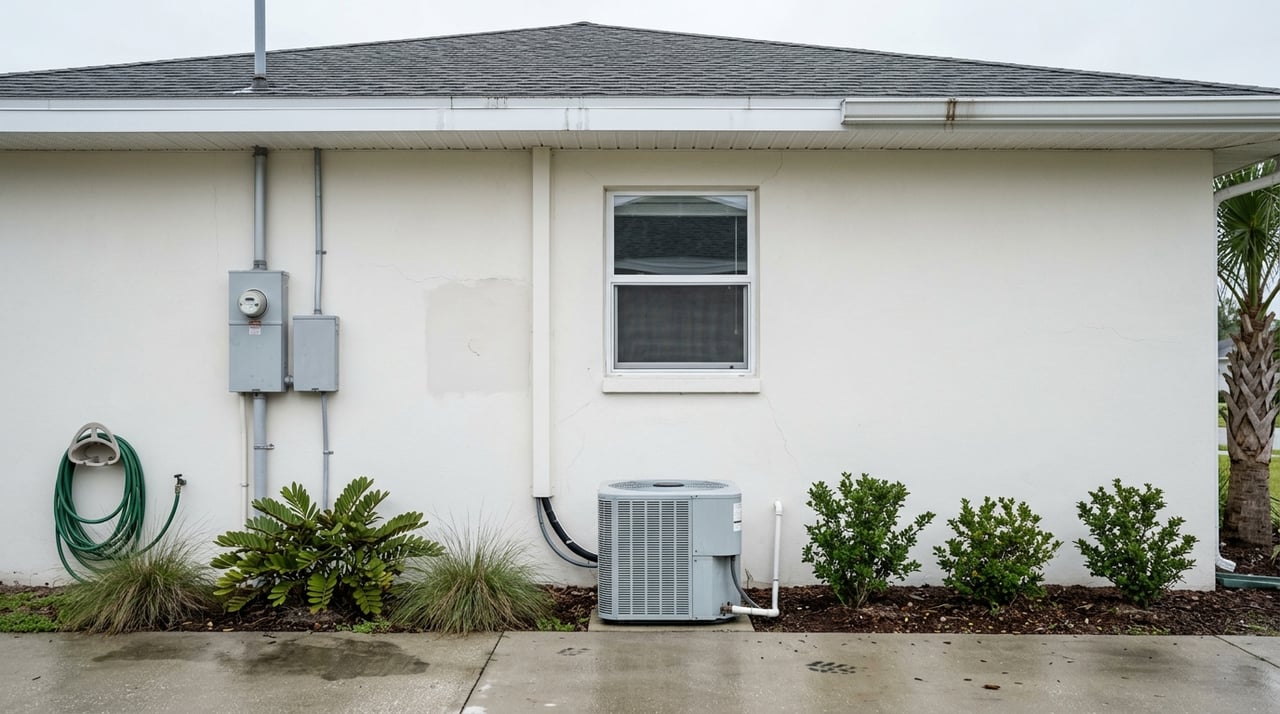
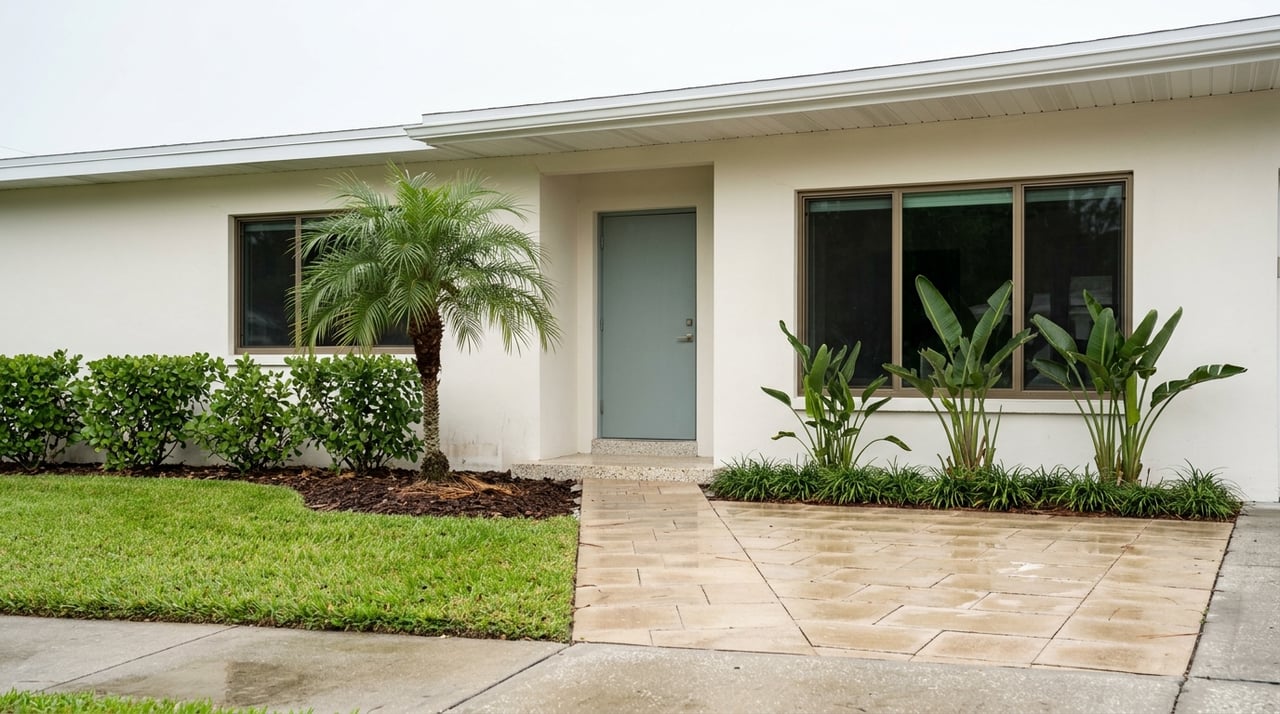
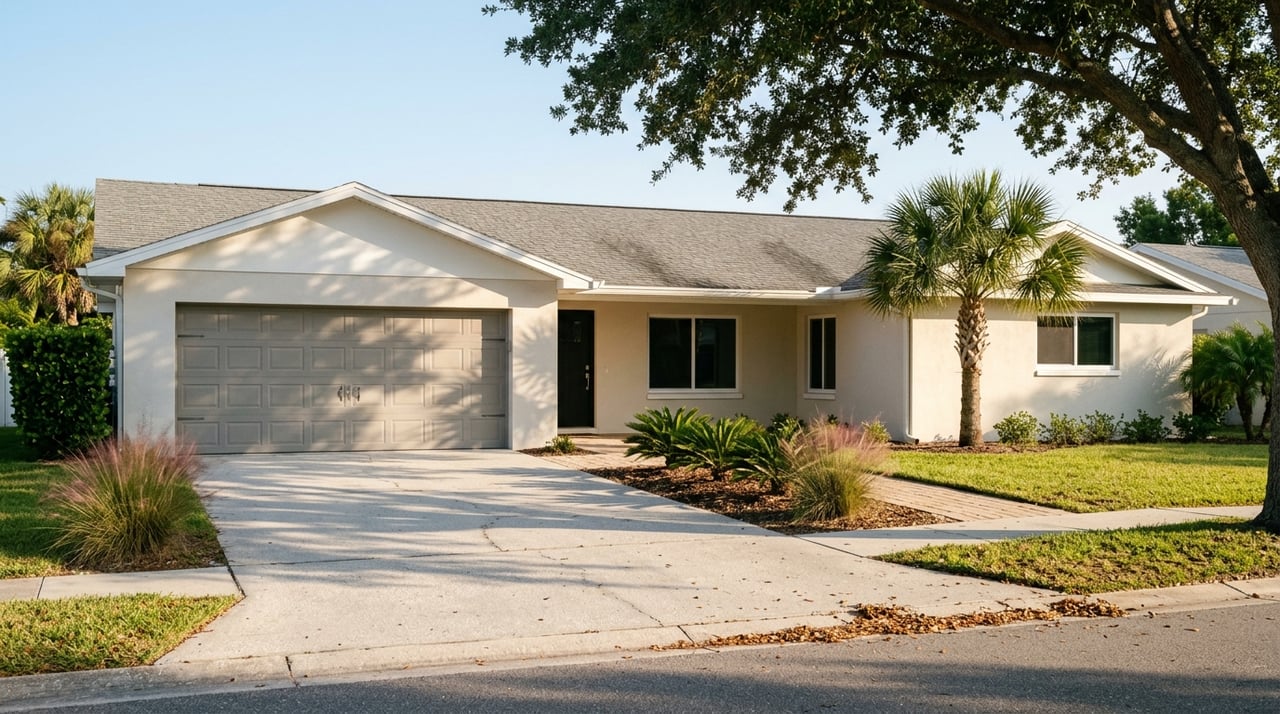
County planning documents describe the Seminole area as a mix of single-family housing, recreational facilities, and commerce, with a few multi-family developments, as noted in the Pinellas County planning materials. Those same documents and city notes point to an older housing stock, including neighborhoods with homes dating back to the 1950s.
For you as a buyer, that can mean opportunity and homework. Older homes can offer established surroundings and mature neighborhood patterns, but they may also require closer review of condition, updates, and ongoing maintenance.
Parks Make Weekdays Easier
One of Seminole’s biggest lifestyle strengths is how easy it is to build outdoor time into a normal week. You do not have to wait for a long weekend to enjoy green space or a quick reset after work.
The city lists Seminole City Park, Tennis Club Park, Blossom Lake Park, and Waterfront Park among its municipal parks. These local options help support the kind of everyday use that matters to commuters, like a short walk, a quick stop with the kids, or a nearby place to get outside without extra planning.
Lake Seminole Park Adds Real Recreation
For bigger outdoor space, Lake Seminole Park is a major local asset. Pinellas County describes it as a 258-acre wildlife habitat and sanctuary with trails, playgrounds, boat ramps, and a new three-mile path extension.
That kind of amenity matters if your weekdays are busy and you want recreation close to home. Instead of turning every outdoor outing into a major drive, you have a substantial county park nearby that can fit into normal life.
Trail Access Supports Active Living
The Fred Marquis Pinellas Trail gives Seminole another practical lifestyle advantage. Pinellas County describes the trail as a linear, multi-use route that runs from St. Petersburg to Tarpon Springs and supports walking, jogging, skating, and biking.
For commuters, that is useful because exercise does not always need to be a separate event. A nearby trail can make it easier to fit movement into the week, whether that means a bike ride before work or a walk after dinner.
Boca Ciega Millennium Park Expands Your Options
Seminole also benefits from access to Boca Ciega Millennium Park. According to local park information, the park includes an observation tower, canoe launch, nature trail, boardwalks, a dog park, and bicycle and pedestrian paths.
That variety adds flexibility to your routine. Some days you may want a simple walk, while other days call for a longer outdoor break that still feels close to home.
Beach Access Is a Real Perk
For many buyers, one of Seminole’s strongest selling points is how close it is to Gulf beaches without requiring beachfront living. You are not living directly on the sand, but beach time can still be part of your normal lifestyle rather than a once-in-a-while event.
Pinellas County maintains beach-access parks at Indian Rocks Beach, Indian Shores/Tiki Gardens, Madeira Beach, Redington Shores, and St. Pete Beach, along with regional beach parks at Fort De Soto, Sand Key, and Fred Howard. That network gives Seminole residents multiple options for day trips and shorter beach outings.
The tradeoff is important to understand. Beach access here is convenient, but it is still typically a drive-and-park experience, not a walk-out-your-door coastal setup.
The Everyday Tradeoff in Seminole
Every location asks you to choose what matters most. In Seminole, the value proposition is not a dense, walk-everywhere lifestyle or direct beachfront living.
Instead, the appeal is a more grounded setup: an established residential market, a commute pattern that fits the broader county, parks and trails that support day-to-day living, and beach access that is close enough to use often. If you want a suburban base that helps your week run smoothly, that tradeoff may make a lot of sense.
Who Seminole May Fit Best
Seminole can be a strong fit if you want your home to support both work and downtime. That often includes buyers who commute within Pinellas County or across the Tampa Bay area and want a location that keeps daily logistics manageable.
It may also appeal to buyers who value established neighborhoods, outdoor amenities, and practical access to the coast without prioritizing an urban core. If your goal is a routine-friendly location with flexibility, Seminole deserves a close look.
What to Watch as a Buyer
Because Seminole includes many older homes and established neighborhoods, it helps to evaluate properties with a clear plan. The lifestyle can be appealing, but the details still matter.
As you compare homes in Seminole, focus on:
- Home condition and updates
- Age of major systems
- Layout fit for your daily routine
- Drive times for your actual work and errands
- How close you want to be to parks, trails, or beach routes
If you are balancing commute needs with lifestyle goals, that kind of side-by-side evaluation usually leads to better decisions than shopping by price alone.
Seminole offers a practical version of Tampa Bay living, and that is exactly why it stands out for many commuters. If you want help figuring out whether Seminole matches your routine, budget, and long-term goals, Ryan Chamberlain can help you sort through the options with a clear, detail-first plan.
FAQs
What is the average commute time in Seminole, Florida?
- The U.S. Census QuickFacts for Seminole reports a mean commute time of 26.3 minutes, compared with 25.2 minutes for Pinellas County overall.
What kind of housing is common in Seminole, Florida?
- Pinellas County planning documents describe the Seminole area as a mix of single-family housing, recreational facilities, and commerce, with a few multi-family developments, and local data points to an established, older housing stock.
Is Seminole, Florida good for buyers who want parks and trails?
- Yes. Seminole has local parks through the City of Seminole parks system, plus access to Lake Seminole Park and the Fred Marquis Pinellas Trail.
How close is Seminole, Florida to the beach?
- Seminole offers convenient access to several county-maintained beach areas, including Indian Rocks Beach, Madeira Beach, Redington Shores, and St. Pete Beach, making beach outings practical even though they still usually require driving and parking.
Is Seminole, Florida more suburban or urban?
- Based on Census data, planning documents, and local amenities, Seminole is better described as a suburban, routine-driven residential area with regional commuter access, established neighborhoods, parks, and nearby beach access.