A Seminole Heights bungalow listed at $420,000 might show a current property tax bill under $2,000 a year. That number belongs to the person selling the house, not the house itself, and it has almost no relationship to what you will pay once your name is on the deed.
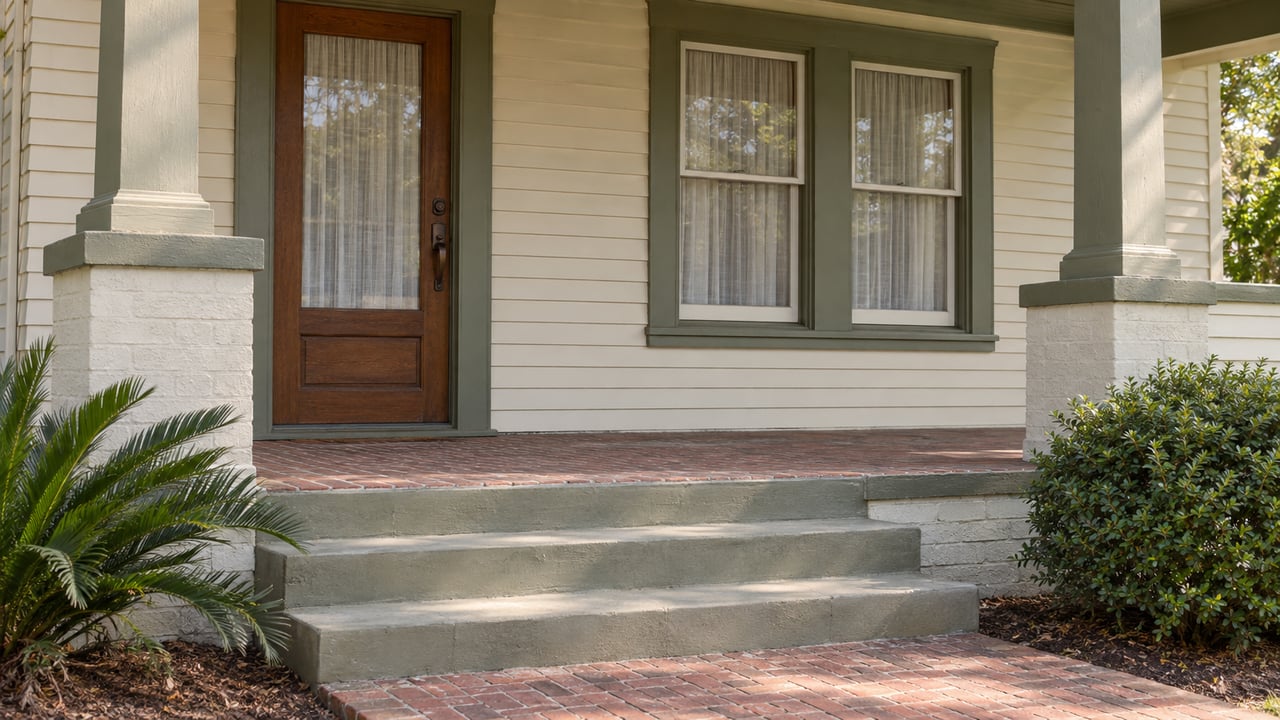
This isn't a quirk specific to one listing. It's how Florida's property tax system is built, and it shows up harder in Seminole Heights than in most of Tampa because of what the neighborhood actually is: a concentration of Craftsman bungalows built between 1910 and 1950, many held by the same owner for decades. The age of the housing stock and the age of the ownership are doing more to shape your future tax bill than the price on the sign.
Two Tax Bills, One House
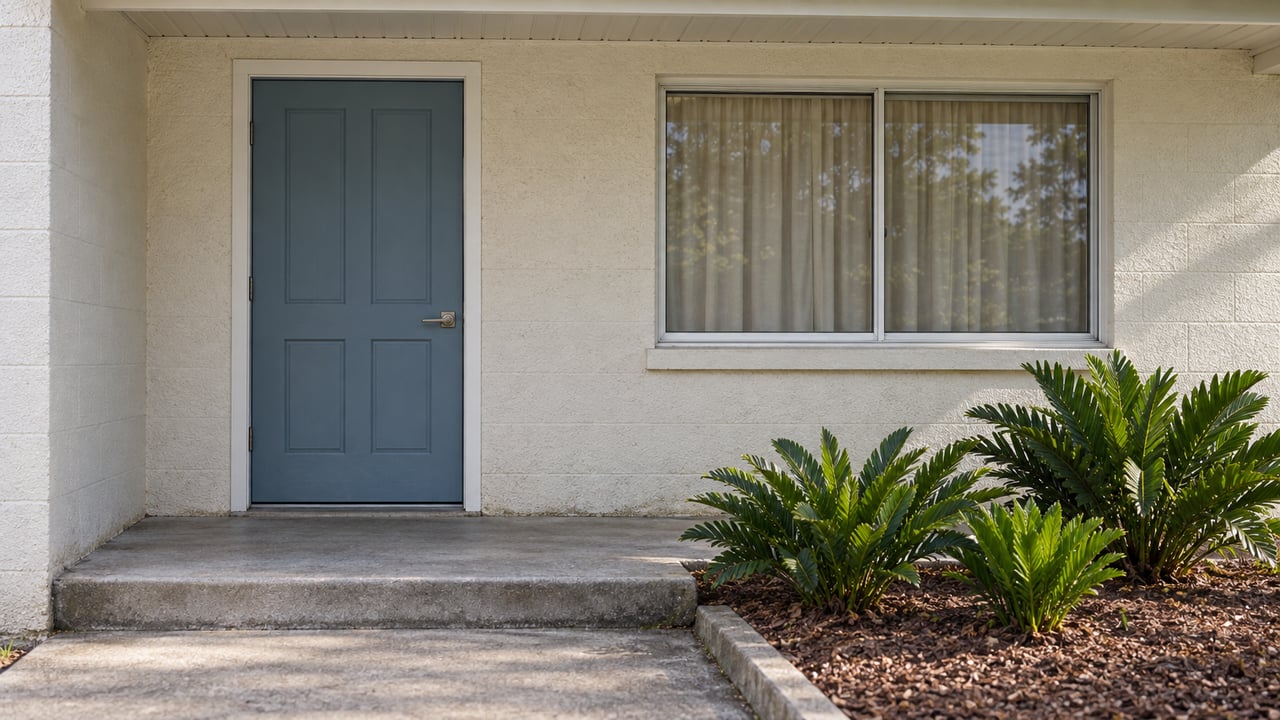
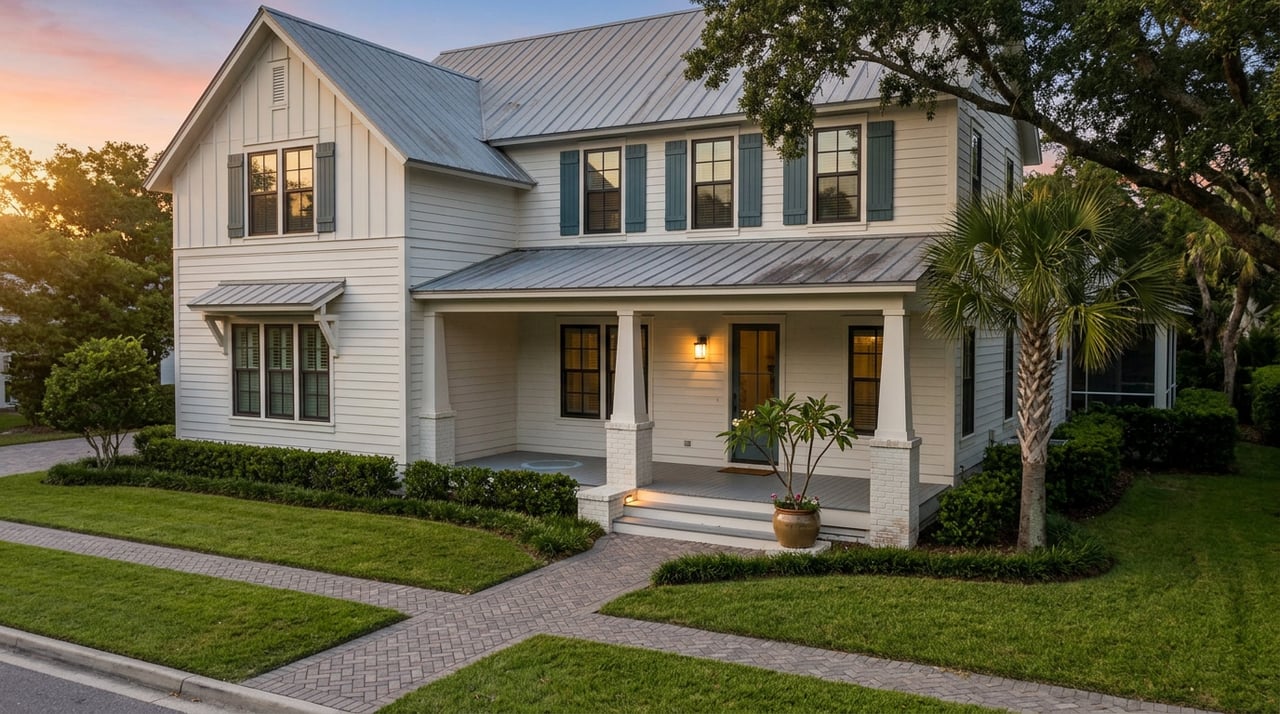
Seminole Heights isn't one price point. Old Seminole Heights posted a median sale price of $445,000 in January 2026, up 14.8% from the same month a year earlier. A few blocks over, Southeast Seminole Heights averaged $355,000 in a recent month, up 15.6% year over year. Both numbers describe the same broad neighborhood of bungalows on 5,000 to 7,500 square foot lots, original homes running 900 to 1,800 square feet alongside a smaller supply of two-story infill construction built where older houses came down.
The spread between those sub-area numbers isn't really about location. It's about condition and vintage: an original 1920s bungalow that hasn't been touched sells differently than a renovated version two streets away, and differently again than new infill built on a cleared lot. Three houses, three tax histories, one zip code.
That distinction matters more than it looks like it should, because the tax line on a listing sheet is a snapshot of someone else's ownership tenure, not a feature of the house.
The Cap That Makes a Seller's Number Meaningless
Florida's Save Our Homes provision caps how much a homesteaded property's assessed value can rise each year, limiting the increase to 3% or the change in the Consumer Price Index, whichever is lower, regardless of how far market value climbs. A owner who bought in Seminole Heights fifteen or twenty years ago and has kept the home as a primary residence the whole time is very likely paying tax on an assessed value that sits well below what the house would sell for today. Their bill looks small because the cap has been quietly doing its job for years.
That cap does not follow the house. When the home sells, the accumulated benefit stays with the seller (they can carry up to $500,000 of it to a new Florida homestead through portability), and the property's assessed value resets to the new purchase price. Your first bill starts fresh, calculated off what you paid, not off what the previous owner's assessment had drifted down to.
Hillsborough County's combined millage rate for the 2025-26 tax year runs about 15.73 mills. Apply the standard $50,000 homestead exemption to a $400,000 purchase and the year-one bill lands around $5,667, or roughly $472 a month. That number has nothing to do with whatever the seller's disclosure statement showed. It's a fresh calculation, and it is very often the bigger number in the room.
Why This Gap Runs Deeper in a Neighborhood of Century-Old Bungalows
The Save Our Homes gap widens with time, and Seminole Heights has more time built into its housing stock than most of Tampa. A neighborhood where original bungalows date to the 1910s through 1950s, and where a meaningful share of homes have been renovated rather than replaced, is a neighborhood where long ownership tenures are common. Every extra year a seller has held the home as their homestead is another year the assessed value fell further behind the market.
Contrast that with a newer part of Tampa where the housing stock turns over faster and the gap between assessed and market value hasn't had as long to open up. In those areas, a seller's current tax bill is a rougher but less misleading guide to what a buyer might pay, simply because less time has passed since the last reset. In Seminole Heights, the bungalow's age and the ownership's age are working together against you as a data point. The lower the seller's disclosed bill looks, the less it tells you about your own.
None of this changes what your bill will actually be. Your year-one number is calculated from your purchase price and your exemptions, full stop. What changes is how badly the seller's number misleads you if you use it to budget instead of running your own math.
What November's Ballot Measure Actually Changes, and Doesn't
Florida voters will decide on Amendment 3 on November 3, 2026, a measure the Legislature placed on the ballot after passing it on June 2, 2026. If it clears the 60% threshold required for constitutional amendments, it raises the homestead exemption in phases, to $150,000 in 2027 and $250,000 in 2028, and lowers the cap on annual assessment increases for non-homestead property.
Here's what it doesn't touch. The Save Our Homes 3% cap stays exactly as it is. Portability rules stay exactly as they are. The reset-on-sale mechanic that resets a home's assessed value to the purchase price the year after closing is untouched. If you're hoping the vote fixes the gap between what a seller pays and what you'll pay after buying, it doesn't, because that gap was never about the exemption amount in the first place.
Timing matters here too. Your 2026 tax bill is unaffected no matter how the vote goes, since Florida collects property taxes in arrears and this November's bill reflects the 2026 tax year regardless. And if you're relocating to Florida and establishing residency after December 31, 2026, the amendment's language would have you wait five years to receive the full exemption amount, so an out-of-state buyer closing on a Seminole Heights home this year or next shouldn't build a budget around a $250,000 exemption that may not apply to them for a while.
The dollar difference at full phase-in is real. On a homesteaded $400,000 home, the enhanced exemption would eventually shrink the non-school portion of the bill by about $1,846 a year, from $5,667 down to roughly $3,822. School taxes, which run about 6.50 mills on their own, stay in place either way, so the bill never reaches zero.
| Today (2025-26, $50,000 exemption) | Fully phased in (2028, $250,000 exemption) | |
|---|---|---|
| Annual bill on $400,000 home | ~$5,667 | ~$3,822 |
| Monthly equivalent | ~$472 | ~$319 |
| School millage (~6.50 mills) | Applies | Still applies |
That's a meaningful long-term number for someone who plans to stay put for years. It's not a reason to delay a purchase in hopes of dodging this year's math, and it's not the mechanism responsible for the gap between a seller's bill and yours.
Building Your Own Number Before You Offer
The fix here isn't complicated, it just requires skipping the number on the seller's disclosure entirely.
- Run the Hillsborough County Property Appraiser's estimator using the price you're actually planning to offer, not the seller's current assessed value. The appraiser's portability FAQ spells out exactly how the reset works.
- Ask what the seller's current assessed value is versus the home's recent market value. A wide gap is normal for a bungalow that's been held twenty or thirty years and tells you nothing about your own bill, it just confirms how long the cap has had to work.
- If you already hold a Save Our Homes benefit on a current Florida homestead, file for portability within three tax years using Form DR-501T so your accumulated cap transfers with you instead of starting over at zero.
A house in Seminole Heights doesn't come with a fixed tax bill attached to it. It comes with whatever number your purchase price and your own exemptions produce, and the sooner that math replaces the one on the seller's disclosure, the fewer surprises show up after closing.
If you're comparing a Seminole Heights bungalow against other pockets of Tampa and want the real year-one number before you write an offer, Fast Florida Real Estate can walk through the math on a specific address with you.