Buying a second home in St. Pete Beach can sound simple until you look past the listing photos. Between flood zones, condo rules, rental limits, taxes, and insurance costs, the real decision is about more than just price. If you want a place you can enjoy without expensive surprises, it helps to understand the local details before you make an offer. Let’s dive in.
Why St. Pete Beach Appeals to Second-Home Buyers
St. Pete Beach is a market where seasonal and second-home ownership is already part of the landscape. City planning materials show that nearly 28% of homes and condos are owned by people whose primary residence is elsewhere, so owning a part-time property here is not unusual.
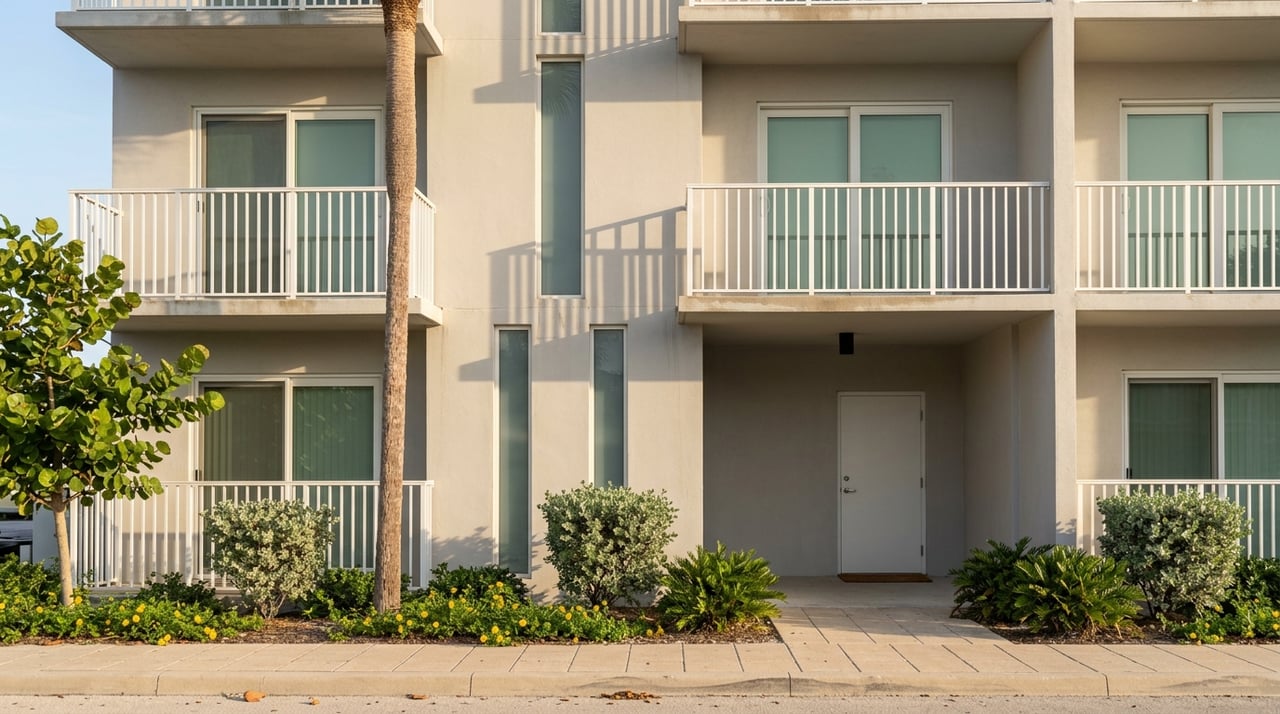
The housing mix matters too. Multifamily units make up 59.0% of the inventoried housing stock, compared with 40.4% single-family units. For many second-home buyers, that means your search may naturally lean toward condos or other multifamily options.
That same data also shows 42.0% of housing units are vacant, which reflects the seasonal nature of the market more than a lack of demand. In other words, if you are buying for personal use during part of the year, you are stepping into a pattern that already fits the area.
Know the True Monthly Cost
A second home in St. Pete Beach often costs more to carry than buyers expect at first glance. Your mortgage payment is only one part of the picture, and in a coastal Florida market, the non-mortgage costs can change the math fast.
Before you buy, look closely at taxes, flood insurance, wind coverage, HOA or condo dues, and any special assessments. These items can materially affect affordability, even if the purchase price feels comfortable.
Property taxes work differently on a second home
In Pinellas County, a second home generally does not receive Florida homestead treatment unless it is your permanent home on January 1. The county also says homestead is lost if the property is rented or if you no longer use it as a homestead.
That matters because you should not assume your tax bill will behave like the bill on a primary residence. Pinellas County applies a 10% cap on annual assessed value increases for non-homestead property, but that cap does not apply to school district taxes.
Flood insurance is not a side issue
Flood risk is a central part of buying in St. Pete Beach. The city maintains flood-zone and elevation-certificate information and can help confirm whether a property is in a Special Flood Hazard Area, what the FIRM zone is, and the base flood elevation.
Pinellas County states that everyone lives in a flood zone and that most homeowners policies do not cover flood damage. If you are financing the purchase with a federally backed loan and the property is in a Special Flood Hazard Area, flood insurance is generally required.
Timing matters too. NFIP policies usually have a 30-day waiting period unless coverage is required by the lender or tied to a map change. If you wait until the last minute to price coverage, your closing timeline can get harder to manage.
Assessments can change the budget
In St. Pete Beach, you also need to watch for non-ad valorem assessments and association-level assessments. The city notes that a stormwater special assessment has been used to fund stormwater data, maintenance, and flood-reduction work.
For condo buyers, regular dues are only part of the story. Under Florida condo law, reserve funding can come through regular assessments, special assessments, lines of credit, or loans. That means the actual monthly and annual cost of ownership may be meaningfully higher than the base dues shown in a listing.
Rental Plans Need a Reality Check
A lot of second-home buyers hope to offset costs by renting the property part of the year. In St. Pete Beach, that plan needs careful review before you buy, because city rules, tax rules, association rules, and lender rules can all affect what is actually allowed.
This is one of the biggest areas where buyers get into trouble. A property that looks like a great second home on paper may not work for your intended use once all the rules are stacked together.
St. Pete Beach short-term rental rules are restrictive
The city’s short-term rental rules are not casual. Rentals of less than one month are not permitted in many districts, and occupancy under 30 days is allowed only up to three times per 12-month period in the RM zoning district and the Pass-A-Grille Overlay District.
Rentals of one month or more are allowed in all residences citywide. If a property is being used as permanent transient lodging, the city says a business tax license and review by both Zoning and the Fire Marshal are required.
Enforcement also appears active. The city reports that code enforcement investigated more than 300 short-term-rental cases from 2020 through September 2025, so it is smart to assume the rules are being watched.
Rental taxes may apply
If you plan to rent the home for six months or less, Florida tax rules may trigger state sales tax, discretionary sales surtax, and county transient rental tax. Pinellas County says its Tourist Development Tax is 6% of rent on temporary lodgings.
If rental income is part of your plan, make sure you understand not just whether renting is allowed, but also how taxes will be collected and filed. That workflow should be clear before you close, not after your first booking.
Your loan type matters
Lender guidelines can be just as important as city rules. Freddie Mac says a second home must be occupied some portion of the year and kept available primarily for your personal use. It also allows short-term rental only if the property is not in a rental pool, does not give a management company control of occupancy, and does not involve revenue sharing.
Fannie Mae also says rental income may exist on a second home, but it cannot be used to qualify if the loan is being delivered as a second home. Its guide also lists two months of reserves for a second-home transaction.
The takeaway is simple: ask early whether the property should be financed as a true second home or as an investment property. That decision can affect reserves, rate, underwriting, and your whole purchase strategy.
Condo Due Diligence Is Critical
Because multifamily housing makes up such a large share of St. Pete Beach inventory, condo due diligence is often the center of the transaction. On a barrier island, this is not the place to rush.
Florida law gives prospective condo purchasers the right to receive current copies of key association documents. These include the declaration, articles, bylaws, rules, annual financial information, annual budget, and FAQ documents.
Older buildings need extra review
For buildings that are three habitable stories or higher, a structural integrity reserve study must be completed at least every 10 years. Milestone inspections are required by the year the building reaches 30 years, and local enforcement agencies can require 25-year inspections in some coastal circumstances.
Existing associations controlled by unit owners generally had to complete the structural integrity reserve study by December 31, 2025, with a hard stop at December 31, 2026 if the study is completed alongside a required milestone inspection. For a buyer, that means reserve and building-condition questions should be front and center.
What to ask the condo association
Use this checklist before your inspection period ends:
- Is the association fully funding required reserves?
- Are reserves being met through regular assessments, special assessments, loans, or lines of credit?
- Is the most recent structural integrity reserve study available?
- Are milestone inspection reports available, if required?
- Are there pending or recent special assessments?
- What are the rental caps and minimum lease terms?
- Are there guest, parking, or pet rules stricter than city code?
These are not minor details. They shape your actual cost, your flexibility, and your risk level as an owner.
Key Questions to Ask Before You Buy
When you are buying a second home in St. Pete Beach, the best protection is asking the right questions early. A clean-looking listing does not answer the questions that matter most.
Ask the lender
- Can this property truly be underwritten as a second home?
- How many months of reserves are required?
- Does the condo project meet lending standards?
- If there is rental activity, does that affect how the property must be classified?
Ask the tax professional
- What does the annual tax bill likely look like without homestead?
- Are there any non-ad valorem assessments on the tax bill?
- Will my planned rental activity create tax filing or collection obligations?
Ask the insurance specialist
- Is the property in a Special Flood Hazard Area?
- What is the estimated cost of flood coverage?
- What is the wind or hurricane deductible?
- If it is a condo, what does the master policy cover and what falls on the unit owner?
Ask the city or verify with zoning
- What zoning district is the property in?
- What rental duration is allowed there?
- Does the property need additional review or licensing for the intended use?
The city offers a zoning verification letter request form, which can be a smart step if rental use is part of your plan.
A Smart Buying Strategy for St. Pete Beach
The best second-home purchases in St. Pete Beach usually come from matching the property to your actual goals. If you want a mostly personal-use beach condo, your checklist will look different than someone trying to blend personal use with limited rental income.
A practical approach is to decide your priorities in this order:
- Personal use needs
- Carrying-cost comfort
- Flood and insurance tolerance
- Condo or HOA flexibility
- Rental rules and lender fit
That order keeps you focused on the property that works in real life, not just the one that looks best online. In a market with condos, coastal exposure, and strict rental rules, details matter more than hype.
If you want help sorting through flood risk, condo documents, rental restrictions, and the real monthly cost before you commit, Ryan Chamberlain can help you buy with a clear plan and fewer surprises.
FAQs
What should you know about property taxes on a second home in St. Pete Beach?
- A second home usually does not qualify for Florida homestead treatment unless it is your permanent home on January 1, so you should expect taxes to work differently than they would on a primary residence.
What should you check about flood risk before buying in St. Pete Beach?
- You should confirm the property’s flood zone, whether it is in a Special Flood Hazard Area, the base flood elevation, and the likely cost and timing of flood insurance.
What should you know about short-term rentals in St. Pete Beach?
- Short-term rental rules are restrictive, with under-30-day rentals limited in many areas, so you should verify city zoning rules before assuming vacation rental use is allowed.
What condo documents should you review before buying a second home in St. Pete Beach?
- You should review the declaration, bylaws, rules, annual budget, financial information, FAQ documents, and any available structural integrity reserve study or milestone inspection reports.
What professionals should you talk to before buying a second home in St. Pete Beach?
- You should speak with your lender, a tax professional, an insurance specialist, and verify zoning or rental-use questions with the city before closing.