Thinking about Dunedin? It is easy to see the appeal. You get a coastal setting, a walkable downtown feel, and strong access to parks, trails, and the water. But the right city is not just about charm. It is about whether the day-to-day lifestyle, housing options, and costs match what you want. This guide will help you weigh the biggest pros, tradeoffs, and practical checks so you can decide if Dunedin fits your goals. Let’s dive in.
What Dunedin Feels Like
Dunedin is a small coastal city in Pinellas County with an estimated 35,932 residents in 2024. It stands out for its walkable downtown, waterfront recreation, marina access, parks, and connection to the Pinellas Trail.
If you want a place that feels established rather than brand new, Dunedin will likely get your attention. City planning documents point to its coastal character and strong recreational identity, especially around downtown, the waterfront, and the marina.
That said, Dunedin is not the best fit for everyone. City documents also note parking challenges and a need for more affordable housing, which tells you something important: you are often paying for lifestyle, character, and location, not just square footage.
Who Dunedin Often Fits Best
Dunedin tends to work well for buyers who want to be close to the water and enjoy an active outdoor lifestyle. If you picture easy access to parks, trails, beaches, and a downtown area with local character, this market checks a lot of boxes.
It can also be a strong option if you prefer established homes and neighborhoods over newer, more uniform developments. A lot of buyers like that Dunedin feels more lived-in and distinct than some newer suburban areas.
You may be a good match for Dunedin if you:
- Value walkability and waterfront access
- Like older homes with character
- Are comfortable doing extra inspection diligence
- Want a Pinellas location that sits between lower-cost and higher-cost nearby markets
- Do not need the cheapest entry point in the area
Who May Need To Think Twice
Dunedin may be harder to justify if your top priority is finding the lowest possible price in north Pinellas. Current market snapshots show a median sale price around $455,000, which is higher than Clearwater at about $395,000.
It may also require more homework if you are looking at condos or older homes. A large share of the housing stock was built decades ago, which can mean more maintenance questions and more careful review of building systems, reserves, and insurance needs.
If you commute often across Tampa Bay, do not assume the map tells the whole story. Dunedin has bus service and a citywide mean travel time to work of 24.9 minutes, but your actual route, schedule, and traffic tolerance matter more than the average.
Housing Style And Home Age Matter Here
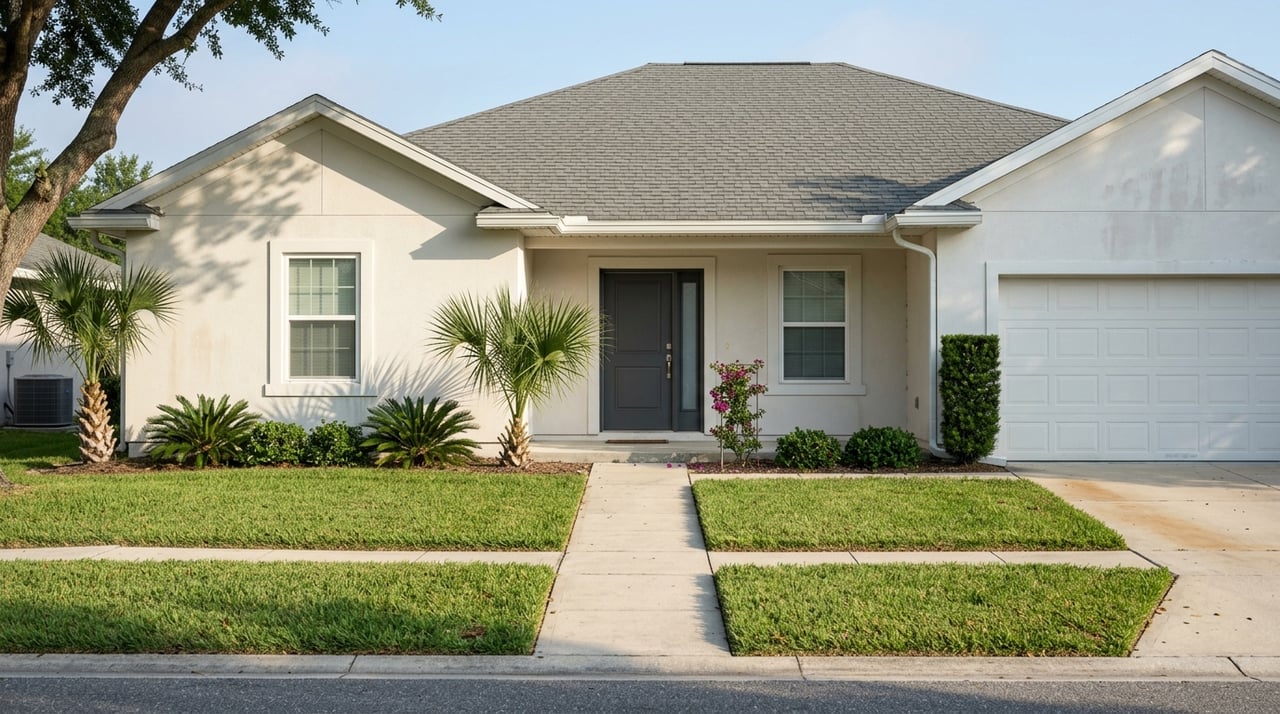
Dunedin has about 20,195 housing units, and the housing stock trends older. About 32.1% of homes were built before 1970, 66.6% before 1980, and only 9.2% since 2000.
That older housing base shapes the buying experience. You may find more architectural variety and less of the cookie-cutter feel common in newer communities. But you should also expect more properties where roof age, plumbing, windows, HVAC, and electrical systems deserve close review.
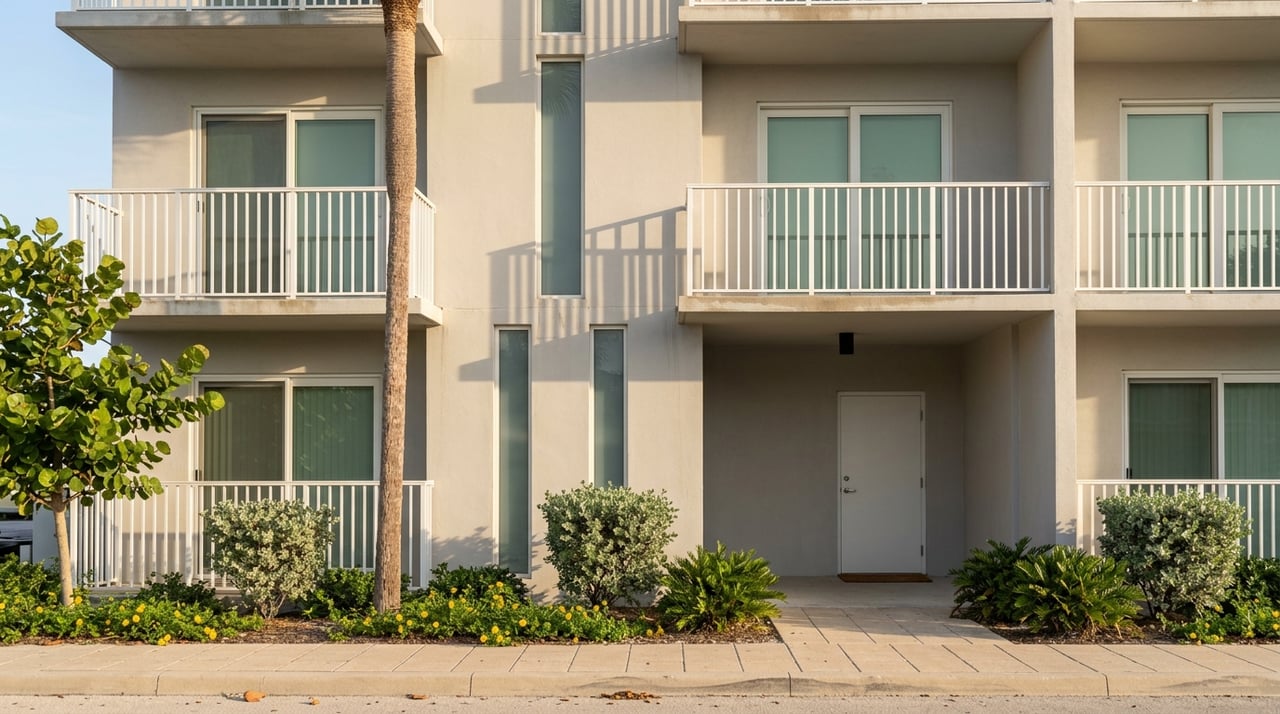
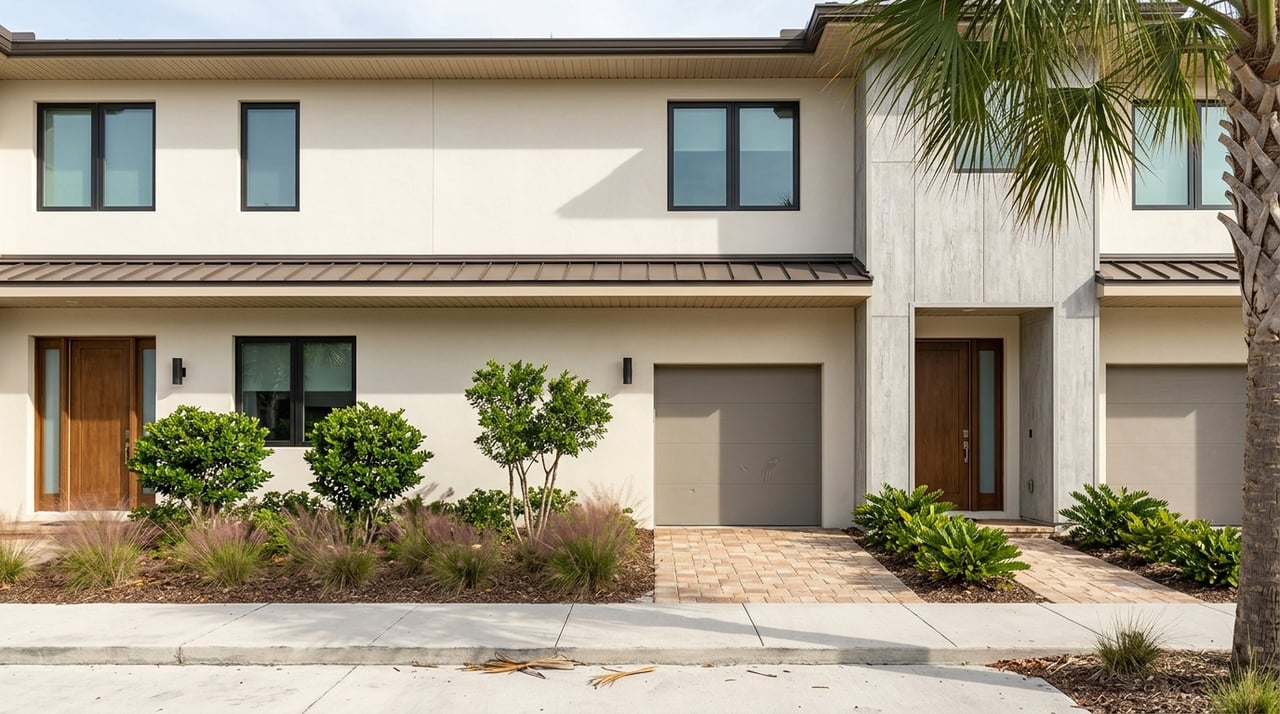
Single-family homes make up the largest share of housing units at 53%. In and around the downtown CRA area, there are relatively more townhomes and smaller multifamily buildings than in the city overall.
What That Means For You As A Buyer
In practical terms, Dunedin often asks you to balance charm with diligence. A home can feel perfect on first showing and still need careful review of major systems before you commit.
That is especially true if you are comparing an older single-family home to a condo or townhome. The monthly cost, maintenance responsibility, and long-term risk can look very different depending on the property type.
Dunedin Price Positioning In Pinellas
Dunedin sits in an interesting middle ground. Based on current market snapshots, it is priced above Clearwater, below St. Petersburg, and a bit below Palm Harbor.
Here is the simple takeaway: Dunedin is not a discount market. You are usually paying a premium over lower-cost nearby options because of the lifestyle and location appeal.
| Market | Median Sale Price | Typical Selling Time |
|---|---|---|
| Dunedin | $455,000 | 54 days |
| Clearwater | $395,000 | 69 days |
| St. Petersburg | $495,000 | 32 days |
| Palm Harbor | $480,000 | Not provided |
Dunedin is also described as somewhat competitive, with homes receiving about one offer on average. That does not mean every listing moves instantly, but it does mean you should be ready when the right property appears.
Lifestyle Questions To Ask Yourself
Before you focus only on listings, think about how you actually want to live. Dunedin tends to make the most sense when your lifestyle lines up with what the city does well.
Ask yourself:
- Do you want regular access to beaches, trails, and waterfront spaces?
- Would you use a walkable downtown often enough to pay for that convenience?
- Are you okay with an older home if it has more character?
- Do you prefer an established coastal city over a newer master-planned feel?
- Are you comfortable with pricing that reflects lifestyle demand?
If you answer yes to most of these, Dunedin may deserve a serious look.
Outdoor Access Is A Major Selling Point
One of Dunedin’s biggest advantages is how easy it is to get outside. Honeymoon Island State Park is about two miles west of Dunedin and offers more than four miles of beach, a three-mile trail, and ferry access to Caladesi Island.
The Fred Marquis Pinellas Trail is another major plus. Pinellas County says the trail runs about 47 miles from St. Petersburg to Tarpon Springs and is open daily from 7 a.m. to sunset.
Dunedin also benefits from its marina and waterfront planning focus. Dunedin Marina is a municipal marina with about 192 boat slips, floating docks, boat ramps, a boat clubhouse, a café, and related facilities.
If being near outdoor amenities is high on your list, Dunedin offers real everyday value, not just postcard appeal.
Commuting And Getting Around
Dunedin does have bus coverage, which helps if you want transportation options beyond driving. PSTA Route 61 and Route 78 connect key local destinations including downtown Clearwater, Dunedin City Hall, Mease Dunedin Hospital, Countryside Mall, and other nearby stops.
Still, this is not a rail-based commute market. If your work or lifestyle requires frequent trips across the bay or to other parts of the region, it is smart to test your likely route during the times you would actually travel.
A reasonable average commute does not guarantee an easy personal commute. Your daily pattern matters more than the citywide number.
Condo And HOA Review Is Critical
If you are considering a condo in Dunedin, this is one area where details really matter. Florida law requires milestone inspections for residential condominium buildings that are three stories or higher by the end of the year the building turns 30, and then every 10 years after that.
These buildings also require a structural integrity reserve study at least every 10 years. That study covers items like the roof, structure, fire protection, plumbing, electrical systems, waterproofing and exterior painting, windows and exterior doors, plus certain other deferred-maintenance items.
For you as a buyer, the big issue is not just whether the building looks good today. It is whether the association has completed the required reviews, understands the building’s needs, and is properly funding reserves based on the latest study.
Questions To Ask About A Dunedin Condo
- Has the milestone inspection been completed?
- Is the structural integrity reserve study available for review?
- Are there expected special assessments?
- Are reserves fully funded based on the latest study?
- What do the condo fees cover?
- What are the parking, pet, and rental rules?
These questions can save you from expensive surprises later.
Flood Zones Need Parcel-Level Review
Flood diligence is another must in Dunedin, especially for waterfront or near-water properties. Pinellas County makes an important point: flood zones are not the same as evacuation zones.
The county also says everyone lives in a flood zone, and buyers should check flood hazards before buying because standard homeowners insurance usually does not cover flood damage. That is why parcel-level review matters.
A home’s location can affect insurance costs, lender requirements, and your comfort level with storm risk. This is one of those Florida details that can shape your monthly payment more than buyers expect.
A Smart Dunedin Decision Checklist
If you are trying to decide whether Dunedin is right for you, use this quick framework:
1. Match The Lifestyle
Ask whether you will truly use the waterfront, downtown, trail, marina, and beach access. If yes, Dunedin’s value proposition gets stronger.
2. Match The Budget
Compare Dunedin not just to your ideal home, but to nearby alternatives. If Clearwater or another area gives you more space at a lower price, decide whether Dunedin’s lifestyle premium is worth it to you.
3. Match The Property Type
Single-family homes, condos, and townhomes can offer very different ownership experiences. Be clear on maintenance responsibility, fees, and building-level risk before you choose.
4. Match The Inspection Risk
Because much of the housing stock is older, inspection quality matters. Look closely at big-ticket items like roof, plumbing, windows, HVAC, and electrical systems.
5. Match The Commute
Do not rely on general averages. Drive the route, test the timing, and make sure the location works for your real routine.
6. Match The Insurance Reality
Review flood exposure and likely insurance needs early. In coastal Pinellas markets, this step is part of understanding the true cost of ownership.
Final Thoughts On Whether Dunedin Fits
Dunedin is a strong fit if you want a walkable coastal lifestyle, value outdoor access, and appreciate the charm of an established city. It can be a great choice if you are comfortable with an older housing base and willing to do careful due diligence on condition, condo documents, and flood factors.
It may be less ideal if your top priority is the lowest entry price, a newer home, or the simplest possible ownership experience. The best decision usually comes down to whether Dunedin’s lifestyle benefits outweigh the added cost and diligence for you.
If you want help comparing Dunedin to other Pinellas options, reviewing condo or flood questions, or narrowing down the right property type, Ryan Chamberlain can help you make a clear, confident next move.
FAQs
Is Dunedin, Florida a good fit for buyers who want walkability?
- Dunedin can be a good fit if walkability matters to you, especially because city planning documents describe downtown as walkable and closely tied to waterfront and recreational amenities.
Are homes in Dunedin, Florida older than in many nearby areas?
- Yes. City market data shows much of Dunedin’s housing stock was built before 1980, so buyers should pay close attention to property condition and major systems during inspections.
Is Dunedin, Florida more expensive than Clearwater?
- Based on the market snapshot in the research report, yes. Dunedin’s median sale price is about $455,000 compared with about $395,000 in Clearwater.
Should condo buyers in Dunedin, Florida review inspections and reserves carefully?
- Yes. For certain condo buildings in Florida, milestone inspections and structural integrity reserve studies are required, and buyers should review those records along with possible assessments and reserve funding.
Do buyers in Dunedin, Florida need to check flood zones?
- Yes. Pinellas County says flood zones and evacuation zones are different, and buyers should verify flood hazards before buying because standard homeowners insurance usually does not cover flood damage.
Is Dunedin, Florida a good choice for outdoor lifestyle buyers?
- It can be. Dunedin offers strong access to waterfront recreation, the municipal marina, Honeymoon Island State Park, and the Pinellas Trail, which are major draws for buyers who want to spend time outdoors.